
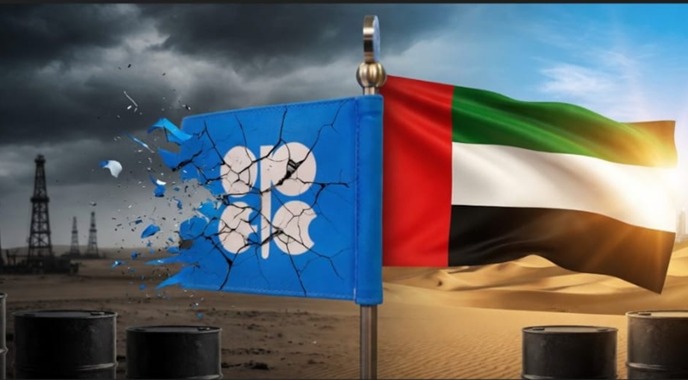
ISLAMABAD — The United Arab Emirates’ decision to leave Organization of the Petroleum Exporting Countries and the wider OPEC+ framework is being viewed by analysts as a sign of shifting energy priorities and changing geopolitical dynamics in the Gulf region.
The move comes at a time of heightened uncertainty in global oil markets due to disruptions linked to the ongoing Iran war and instability around the Strait of Hormuz, a key shipping route for global energy supplies. Analysts say the UAE’s departure reflects growing differences within the oil-producing alliance over production policies and long-term market strategies.
Speaking to Wealth Pakistan, Amena Bakr, Head of Middle East and OPEC+ Insights at Kpler, said tensions over production quotas had been building for years.
She noted that the UAE had previously challenged its assigned output limits after significantly expanding its oil production capacity.
“The timing is important because oil markets are already reacting to supply disruptions caused by regional conflict,” Bakr said, adding that this may explain why the immediate market response to the UAE’s exit has remained relatively limited.
Production disputes and regional tensions
Analysts said the decision also reflects broader political and strategic shifts within the Gulf.
Imran Khan, Senior Fellow at the National Dialogue Forum, said the UAE has increasingly pursued a more independent regional policy compared to some of its traditional allies, including Saudi Arabia.
He pointed to differences over regional conflicts and foreign policy approaches as signs of widening divisions among Gulf states.
Khan said oil prices are currently being driven more by concerns over shipping disruptions in the Strait of Hormuz than by structural changes inside OPEC itself.
The waterway handles a significant share of global oil exports, and recent tensions in the region have raised concerns over supply security and energy prices worldwide.
Analysts see long-term implications for oil markets
Wajid Islam, Research Economist at Pakistan Institute of Development Economics, said the UAE’s move could signal a broader shift toward more flexible and competitive oil production policies.
He said the long-term impact could become more significant if other producers also seek greater independence outside coordinated production agreements.
Analysts noted that OPEC’s influence over global oil markets has declined in recent years as non-OPEC producers, particularly the United States, increased production levels.
The UAE’s departure is being seen as part of a wider transformation in global energy geopolitics, where national economic interests, regional tensions and changing market conditions are increasingly shaping policy decisions.