
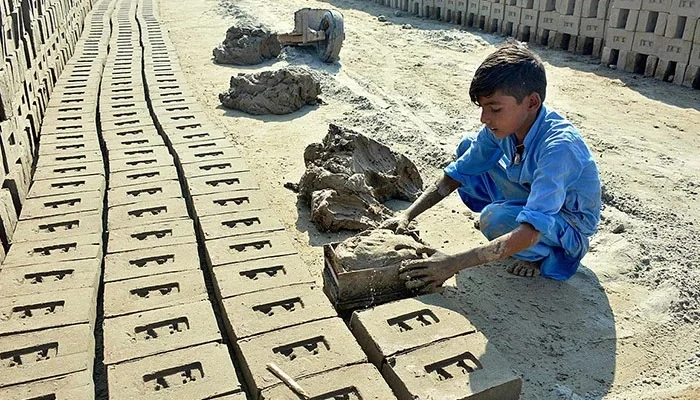
More than 25 million children in Pakistan remain outside the education system, according to a new comparative policy review by the Civil Services Academy (CSA), which highlights persistent governance gaps, weak financing structures and provincial disparities as key barriers to progress. The findings come despite repeated policy announcements and a declared national education emergency aimed at expanding access to schooling.
The report says the scale of out-of-school children in Pakistan reflects a long-standing implementation failure rather than a lack of policy frameworks. It argues that constitutional guarantees under Article 25-A, which mandate free and compulsory education, continue to remain unfulfilled due to fragmented administration, inadequate data systems and limited public investment.
Structural gaps across provinces
The CSA review examines education systems across Punjab, Sindh, Khyber Pakhtunkhwa, Balochistan, Islamabad Capital Territory, Gilgit-Baltistan and Azad Jammu and Kashmir. It estimates that between 25.1 million and 26 million school-age children are currently not enrolled.
Punjab accounts for the largest share in absolute numbers, with millions of children out of school and significant disparities between urban and rural regions. The report highlights shortages of middle and secondary school classrooms and high dropout rates, particularly in South Punjab.
Sindh is described as facing a transition crisis, where access to primary education exists but sharp bottlenecks at middle and secondary levels push large numbers of children out of the system. Balochistan faces severe infrastructure limitations, including non-functional schools and long travel distances, while Khyber Pakhtunkhwa continues to struggle with geographic barriers and shortages of female teachers in remote areas.
Budget limits and system constraints
According to the report, most provincial education budgets are heavily weighted toward salaries and administrative costs, leaving limited funds for infrastructure development or quality improvement. It warns that low investment levels remain well below international benchmarks.
The study also points to the absence of a unified national student database, which it says hampers accurate tracking of enrolment, attendance and dropout trends across provinces.
Policy recommendations
The CSA report calls for the establishment of a national student registry linked to identity records, integration of formal and non-formal education systems, and expansion of accelerated learning pathways for out-of-school children.
It also recommends decentralized education authorities at district level, performance-based funding models, and targeted incentives for teachers in underserved regions. In disaster-prone areas, the report suggests climate-resilient school infrastructure to reduce disruption from floods and other emergencies.
Expert analysis and broader challenges
Education experts cited in the report link the crisis to overlapping structural issues, including poverty, child labour, gender inequality and disability inclusion gaps. They stress that existing non-formal education initiatives often fail to address the needs of marginalized groups effectively.
Economists also highlight declining education spending as a share of GDP and point to weak learning outcomes, noting that only a small fraction of students progress from primary education to higher levels.
Conclusion
The CSA concludes that Pakistan’s education crisis is now defined less by policy design and more by implementation failure. It warns that without sustained reforms in governance, financing and accountability, millions of children will continue to remain outside the formal education system despite repeated national commitments.
Also Read : Lahore court grants five-day physical remand of three suspects in alleged rape case involving foreign women