
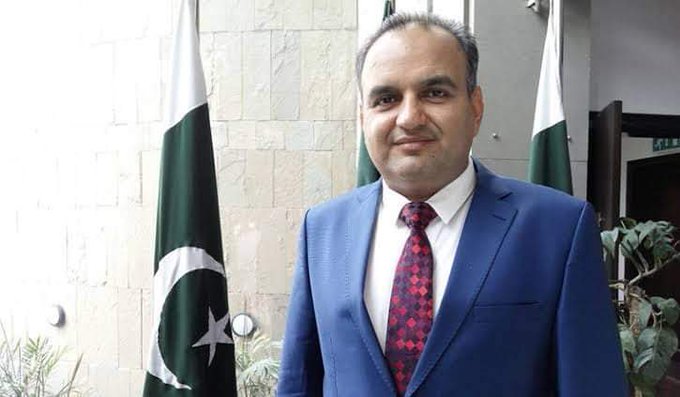
ISLAMABAD, June 19, 2026: Dr. Ramesh Kumar Vankwani has urged the government to introduce incentives for social media influencers before implementing a proposed five percent tax on income earned by digital content creators under the federal budget 2026–27.
The proposal to tax social media earnings would bring income from platforms such as YouTube, Facebook, Instagram, and TikTok into Pakistan’s formal tax system. The measure is expected to affect thousands of young digital creators who rely on online content production as a primary source of income.
Digital economy policy debate
The discussion comes amid broader efforts by policymakers to regulate and formalize Pakistan’s growing digital economy. Officials supporting the move argue that income generated through online platforms should be treated like other taxable earnings as the sector expands.
Dr Vankwani said Pakistan’s digital economy remains in an early development phase and requires supportive policies rather than immediate fiscal pressure. He cautioned that early-stage taxation could discourage young creators who operate with limited resources and minimal institutional support.
Call for global-style support systems
He noted that several countries that tax digital creators also provide structured incentives and allowances. These include deductions for production-related costs such as equipment purchases, studio rentals, internet expenses, travel, and other business operations.
He added that some governments also support digital entrepreneurship through creative hubs, training programs, startup funding, simplified business registration processes, and access to low-interest financing.
In certain regions, registered digital workers are also provided access to social benefits such as health insurance and pension schemes once they enter the formal tax system.
Concern over informal income flows
The lawmaker warned that if taxation is introduced without supporting infrastructure, some influencers may shift earnings to foreign digital wallets or offshore financial platforms instead of routing income through Pakistan’s banking system.
He said such a trend could reduce expected tax revenue while also affecting foreign exchange inflows currently entering the country through digital channels.
Dr Vankwani reiterated that a balanced approach—combining incentives with gradual taxation—would help strengthen Pakistan’s emerging digital economy while encouraging compliance and keeping earnings within formal financial systems.
Also Read: Tobacco Farmers Say Rs390 Advance Tax Is Hurting Growers, Exports And KP’s Rural Economy