
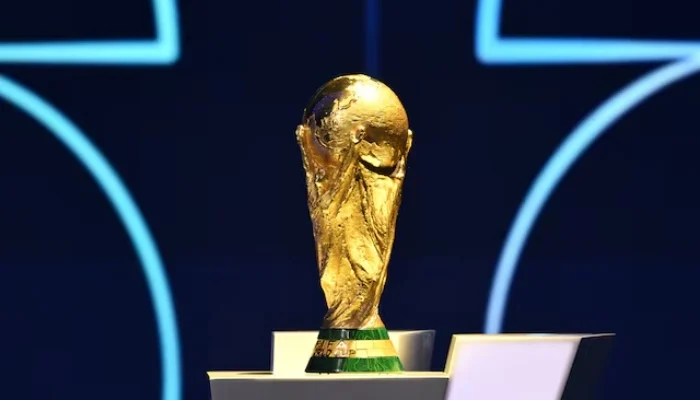
PARIS: The 2026 FIFA World Cup may be decided less by star power alone and more by tactical discipline, pressing systems and adaptability to difficult playing conditions, according to football analysts and coaches.
While elite club football in Europe often showcases the sport at its highest technical level, international teams face different challenges due to limited preparation time and the absence of a transfer market. Coaches must build systems around the players available to them rather than assembling squads to fit a specific philosophy.
Andy Roxburgh, former Scotland manager and current technical director of the Asian Football Confederation, said modern international football has become faster and more tactically sophisticated. He noted that collective team play now carries greater importance than individual brilliance.
Pressing, counter-attacks and transitions
Many of the world’s top national teams are expected to rely on quick transitions and counter-attacking football at the World Cup, reflecting trends seen in elite club competitions such as the UEFA Champions League.
Recent examples include Paris Saint-Germain’s high-speed attacking style and Argentina national football team’s rapid counter-attack goal against France national football team in the 2022 World Cup final.
France coach Didier Deschamps has previously described defensive-to-attacking transitions as one of the most decisive moments in modern football.
High pressing systems, increasingly common in top leagues, are also expected to influence the tournament. However, experts believe the summer heat across parts of the United States, Mexico and Canada could limit teams’ ability to sustain intense pressing for long periods.
Set-pieces may prove decisive
Set-pieces and long throws could become a major factor during the tournament, especially in tightly contested knockout matches.
England coach Thomas Tuchel recently highlighted the growing importance of crosses, structured routines and dead-ball situations in modern football.
FIFA’s introduction of scheduled hydration breaks midway through each half may also provide coaches with additional tactical opportunities. Former Brazil national football team midfielder Gilberto Silva said the pauses could allow managers to adjust formations and strategies during matches.
Analysts believe teams capable of balancing tactical organisation, physical endurance and adaptability to climate conditions may hold the strongest advantage at the expanded 2026 World Cup.