
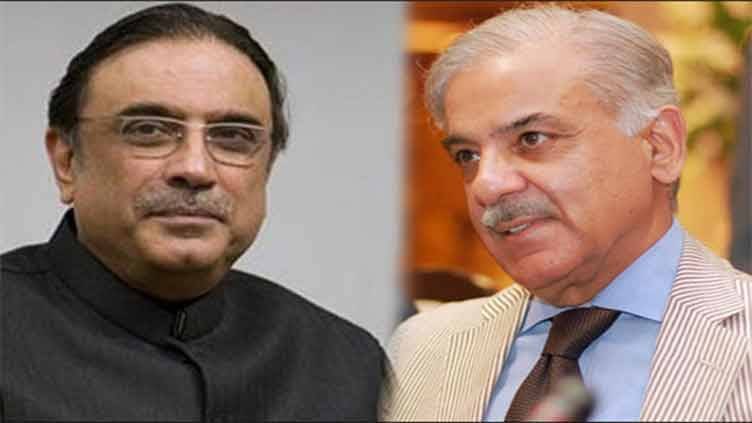
GILGIT/ISLAMABAD: A senior lawmaker familiar with the political landscape of Gilgit-Baltistan has claimed that the Pakistan Peoples Party (PPP) and Pakistan Muslim League-Nawaz (PML-N) are currently in the strongest position to form the next government in the region following the upcoming elections.
Speaking to The Public Purview, the lawmaker said political assessments and constituency-level feedback indicate that the PPP and PML-N could emerge as the leading forces in the Gilgit-Baltistan Assembly, potentially forming a coalition government similar to the alliance currently governing at the federal level.
According to the lawmaker, Pakistan Tehreek-e-Insaf (PTI) continues to have support in parts of the region but may face difficulties translating that support into a large number of seats.
“Based on current ground realities and political trends, PPP and PML-N appear to be in a stronger position than other parties. PTI may secure a few seats but could ultimately find itself in the opposition benches,” the lawmaker said.
Coalition politics expected to shape next administration
The source predicted that smaller political and regional parties may also play a role in the formation of the next government, with coalition-building expected to become a key factor once election results are announced.
Political observers note that Gilgit-Baltistan’s electoral history has often been shaped by alliances, independent candidates and post-election negotiations, making coalition politics an important feature of governance in the region.
The lawmaker said that local development issues, employment opportunities, infrastructure projects and governance concerns remain among the most significant factors influencing voter sentiment ahead of the polls.
Major parties intensify election campaigns
Political activity has accelerated across Gilgit-Baltistan as major parties step up campaign efforts and outreach to voters.
PPP and PML-N leaders have expressed confidence in their electoral prospects, while PTI leaders maintain that the party retains a substantial support base and remains a strong contender in several constituencies.
Analysts caution that electoral contests in Gilgit-Baltistan can be highly localized, with candidate popularity, tribal dynamics and constituency-specific issues often influencing outcomes alongside party affiliations.
Outcome will depend on voters
While political insiders have begun offering projections based on current trends, the final outcome remains dependent on voter turnout, constituency-level contests and post-election coalition negotiations.
With campaigning entering a crucial phase, the upcoming election is expected to shape the region’s political direction and determine which parties will lead the next government in Gilgit-Baltistan.