
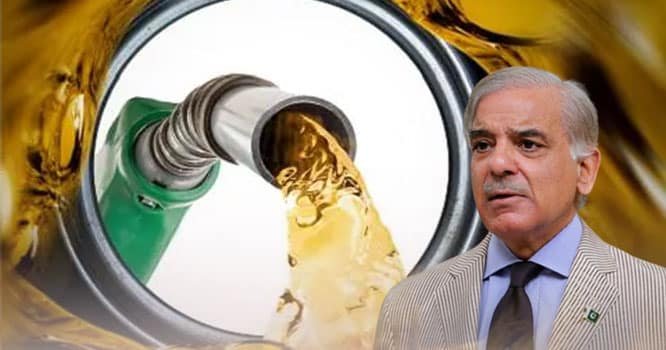
ISLAMABAD: Opposition and allied political parties have strongly criticised the federal government’s decision to move towards daily pricing of petroleum products, warning that frequent changes in petrol and diesel rates could disrupt household budgets, businesses and the wider economy.
Petroleum Minister Ali Pervaiz Malik announced the new pricing arrangement during a press conference alongside the information minister, saying the Oil and Gas Regulatory Authority would determine petroleum prices daily in line with movements in the international market.
Under the proposed mechanism, OGRA would assume responsibility for calculating and announcing daily fuel prices instead of the government directly setting rates.
The government had recently been considering changes to the petroleum pricing system, including more frequent price reviews and the publication of international benchmark data by OGRA.
Hafiz Naeem Rejects Daily Fuel Pricing
Jamaat-e-Islami chief Hafiz Naeemur Rehman criticised the decision, describing daily petroleum price revisions as another attempt to place the financial burden of government failures on the public.
He questioned why the government was introducing daily pricing instead of reducing taxes and levies imposed on petrol.
Hafiz Naeem claimed that consumers were paying around Rs120 per litre in different taxes and charges and argued that the petroleum levy was not directly linked to the actual cost of fuel.
He accused the coalition government of repeatedly transferring the cost of its economic and administrative failures to ordinary citizens.
The JI leader has previously criticised high petroleum levies and argued that frequent fuel price changes amount to repeated pressure on household finances.
PPP Warns of Impact on Household Budgets
Pakistan Peoples Party Central Punjab General Secretary Hassan Murtaza also rejected the daily pricing mechanism, warning that it could increase economic uncertainty and social unrest.
He said the effects would not remain limited to petrol and diesel prices but would spread to agriculture, industry, public transport, goods movement and other major sectors.
Murtaza argued that constantly changing fuel prices would make it difficult for families and businesses to plan their expenses.
“The common person’s budget will be disrupted, while unemployment and uncertainty will increase,” he said.
The PPP leader accused the government of abandoning its responsibility to protect consumers from sudden energy price shocks.
He called on the authorities to reduce public spending and the privileges enjoyed by lawmakers instead of placing additional pressure on citizens.
PPP leaders have repeatedly warned that higher petroleum prices can increase inflation and deepen financial pressure on lower- and middle-income households.
Critics Fear Wider Inflationary Impact
Fuel prices have a direct effect on transport fares, agricultural production, industrial costs and the prices of essential goods in Pakistan.
Political leaders warned that daily revisions could make production and transport costs more unpredictable, with businesses potentially passing increases on to consumers.
The criticism comes as Pakistan remains exposed to volatility in international oil markets because of its dependence on imported petroleum. Earlier fuel price increases linked to conflict in the Middle East had already raised concerns over inflation and the cost of living.
The government is expected to provide further details on how the daily pricing formula will work, including the timing of announcements, the benchmark rates to be used and whether consumers will immediately benefit when global oil prices decline.
Also Read: Petrol Price May Rise by Rs10, Diesel by Rs40 Per Litre From July 18