
ISLAMABAD, July 7, 2026: Pakistan has completed two major environmental projects aimed at improving water quality monitoring and strengthening the regulation of genetically modified organism (GMO) imports, with one initiative generating more than Rs1.9 billion in regulatory fees during its implementation.
According to official documents, the two Public Sector Development Programme (PSDP) projects, implemented by the Ministry of Climate Change and Environmental Coordination, concluded on June 30 after expanding laboratory infrastructure, enhancing environmental monitoring systems and reinforcing Pakistan’s biosafety regulatory framework.
Water quality monitoring capacity expanded
The larger project, Capacity Building for Water Quality Monitoring and SDG 6 (6.1) Reporting, was completed at a total cost of Rs1.289 billion. It included a PSDP contribution of Rs102 million, while the Korea International Cooperation Agency provided $7.42 million in in-kind assistance.
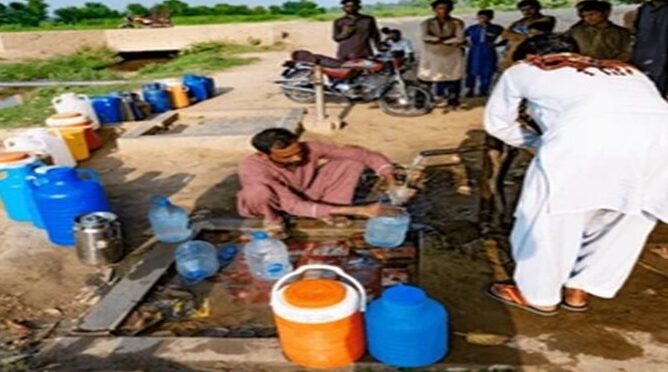
The project upgraded 45 water quality laboratories across Punjab and Khyber Pakhtunkhwa, trained 250 laboratory personnel, established water quality management information systems and mobile testing laboratories, and supported work on a National Water, Sanitation and Hygiene (WASH) Policy.
Officials said the initiative also strengthened provincial data systems for reporting progress on United Nations Sustainable Development Goals, particularly SDG 6 on clean water and sanitation.
The expanded laboratory network is expected to improve drinking water testing, environmental monitoring and evidence-based policymaking as concerns over water contamination and public health continue to grow.
GMO regulation project strengthens biosafety framework
The ministry also completed the Pakistan Biosafety Clearing House (Pak-BCH) for GMOs Regulation project, a Rs200 million PSDP initiative designed to strengthen implementation of the Cartagena Protocol on Biosafety under the Convention on Biological Diversity.
According to official records, the project processed 1,196 permits for genetically modified soybean imports and 184 permits for GM canola imports, generating more than Rs1.9 billion in regulatory fees during its implementation.
The project also updated Pakistan’s Biosafety Rules and Guidelines in 2024 and laid the foundation for establishing a permanent National Biosafety and Regulatory Centre (NBRC) to strengthen long-term oversight of GMO imports and biosafety regulation.
Project funding and long-term impact
Financial records show the water quality project had recorded cumulative PSDP expenditure of Rs71.2 million by June 2025 before receiving a revised allocation of Rs25 million for FY2025-26, of which Rs18.2 million was released.
The biosafety project had incurred cumulative expenditure of Rs111.2 million by June 2025 and later received a revised FY2025-26 allocation of Rs83.4 million, with Rs55.2 million released during the fiscal year.
Officials said the completion of both projects adds permanent institutional capacity in environmental governance. The upgraded laboratories are expected to strengthen drinking water monitoring and SDG reporting, while the enhanced biosafety framework will support more effective regulation of GMO imports in line with Pakistan’s international commitments.