
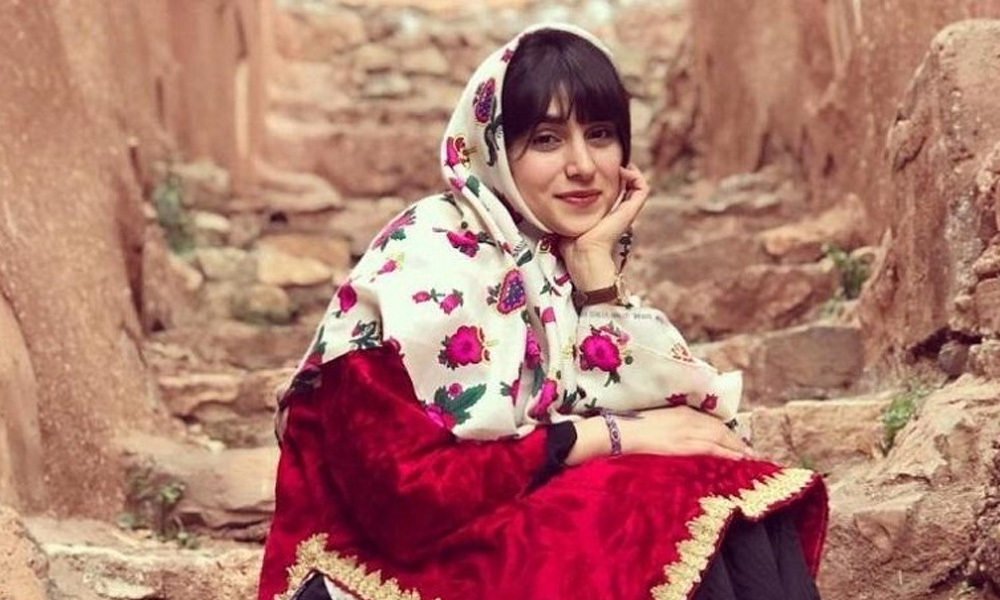
Iranian singer Parastoo Ahmadi has reportedly been sentenced to 74 lashes, a two-year travel ban and a two-year restriction on artistic activities after performing without a hijab during an online concert.
The case has drawn international concern because it involves Iran’s mandatory hijab rules, restrictions on women’s public performance and the wider limits placed on artistic expression in the country.
According to rights groups and media reports, the 29-year-old singer performed the patriotic song “Az Khoone Javanane Vatan” during a livestreamed concert on YouTube in December 2024. The performance, filmed at a historic caravanserai, was viewed widely online before Iranian authorities opened legal proceedings.
Reports said a criminal court in Qom province also sentenced eight members of Ahmadi’s production team and accompanying musicians to 74 lashes, a two-year ban on foreign travel and a two-year ban on artistic work. The group was accused of producing content described by authorities as contrary to public morality.
Human rights organizations and legal experts have criticized the ruling. Some legal commentators have argued that Iranian law does not directly criminalize women for singing or creating music, raising questions about the legal basis for the punishment.
The case comes amid continued enforcement of compulsory hijab laws in Iran and ongoing restrictions on public cultural activity by women. It has renewed debate over freedom of expression, women’s rights and the treatment of artists in the country.
Several artists and public figures, including Iranian-British actor Nazanin Boniadi and exiled Iranian actor Setareh Maleki, have expressed support for Ahmadi. Members of the artistic community described the reported sentence as a serious blow to creative freedom and women’s basic rights.
Maleki said Ahmadi’s performance carried a message of resistance, hope and courage. She said the case showed that Iranian women continue to demand freedom and autonomy despite restrictions.
Support for Ahmadi has also spread across social media, where human rights activists, artists and public figures have urged Iranian authorities to withdraw the sentence.
Also Read : Giancarlo Esposito Reportedly Accepts Islam While Filming in Saudi Arabia