
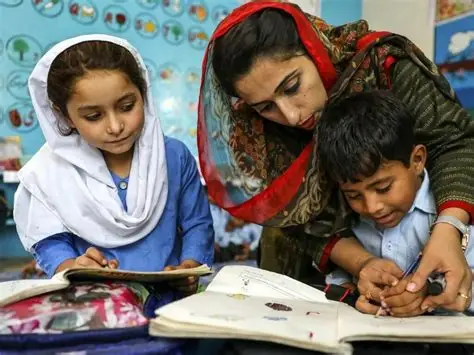
ISLAMABAD, March 17: The Sindh government has trained 21,500 teachers under the Sindh Early Learning Enhancement through Classroom Transformation (SELECT) project to improve the quality of teaching at the primary school level.
The initiative aims to strengthen foundational literacy and numeracy among young students by equipping teachers with modern classroom practices, particularly in early grades where learning outcomes shape long-term academic performance.
According to official documents, the SELECT project has a total cost of $167.21 million and is scheduled for completion in April 2026. Authorities have, however, requested an extension until April 2027 to continue its implementation.
Focus on teacher development
Under the programme, teachers have undergone multiple Continuous Professional Development (CPD) cycles designed to enhance teaching methods, classroom engagement and student learning outcomes.
Officials said improving teacher capacity at the primary level is critical for building strong educational foundations and reducing learning gaps in later stages of schooling.
Reach across schools and students
The project is being implemented in 12 districts of Sindh, covering both rural and urban schools. So far, it has reached 10,993 schools and benefited approximately 741,591 students.
To support classroom learning, 467,385 sets of teaching and learning materials (TLMs) have been distributed among students and teachers from Grade 1 to Grade 5.
Infrastructure upgrades underway
In addition to training, the programme includes infrastructure development. A total of 295 primary schools are being upgraded to elementary and secondary levels.
Construction work has already started, with 190 schools expected to be ready for handover by April 2026, while the remaining 105 are scheduled for completion by October 2026.
Monitoring learning outcomes
The project also incorporates baseline and follow-up assessments through the Early Grade Reading Assessment (EGRA) and Early Grade Mathematics Assessment (EGMA) to measure student progress.
Officials said the initiative is expected to improve early-grade learning outcomes and help reduce dropout rates as it progresses toward completion.