
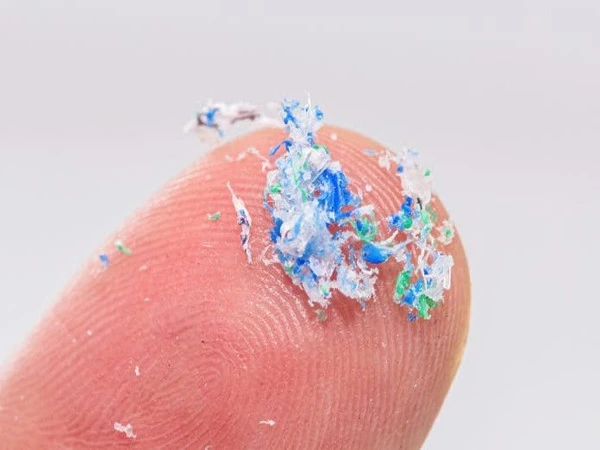
Researchers at Kingston University London have developed a method to detect microplastics inside living organisms without surgery, marking a significant step in the study of plastic pollution and its possible effects on health.
The microplastics in living tissue study found evidence of commonly used plastic particles in the body tissues of live mice. Researchers say the method could help scientists better understand how microplastics move through the body, reach organs and potentially affect biological systems.
The findings were published in the scientific journal Advanced Science. The research was led by Dr Stephen Patrick, a lecturer in medical imaging at University College London Medicine, with scientists from University College London and the University of Birmingham also involved.
According to the study, researchers detected several types of microplastics, including polypropylene and polyethylene. Polypropylene is commonly used in food containers and coffee cups, while polyethylene is often used in single-use shopping bags.
Scientists used a technology known as photoacoustic imaging to observe microplastics inside living mice. In the experiment, controlled amounts of microplastics were injected into the mice so researchers could track how the particles moved through the body over time.
Researchers noted that small amounts of microplastics may already have been present in the animals through food and water exposure, similar to the way tiny plastic particles are now being detected in humans.
An image produced during the research was shortlisted for the Wellcome Photography Prize 2025 and displayed publicly at the Francis Crick Institute.
Experts say the study could support future research into the relationship between microplastic pollution and human health. The findings may help scientists investigate how plastic particles accumulate in the body and what long-term effects they may have
Also Read : Heart Attack and Heart Failure Are Different Conditions, Doctors Say Early Care Is Essential