
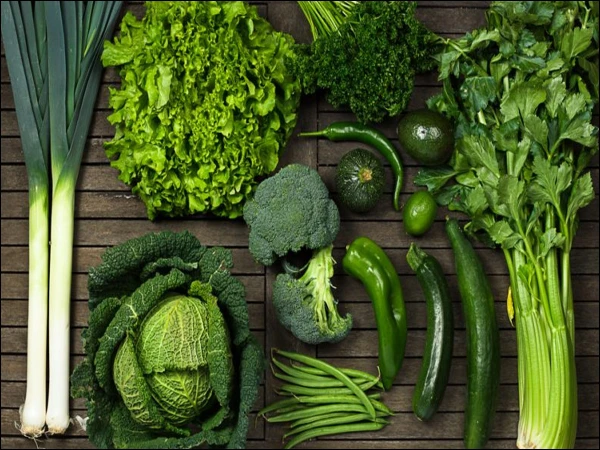
Green vegetables and fruits are generally considered an important part of a healthy diet, but some green foods may cause health problems for certain people, particularly those with allergies, digestive conditions, kidney disease or specific medication needs.
Foods such as green potatoes, spinach, broccoli, Brussels sprouts and some artificially coloured green products may pose risks depending on how they are prepared, consumed and an individual’s health condition.
Some Green Foods Require Caution
Green potatoes can contain higher levels of solanine, a naturally occurring compound that may cause nausea, vomiting and, in severe cases, neurological symptoms. Green potatoes should therefore be consumed with caution.
Spinach, Swiss chard and beetroot are rich in oxalates, which may be a concern for people prone to certain types of kidney stones. Some leafy greens are also high in potassium, making portion control important for people with certain kidney conditions.
People taking the blood thinner warfarin may also need to maintain a consistent intake of vitamin K-rich leafy vegetables, as changes in vitamin K consumption can affect the medicine’s effectiveness. Any dietary changes should be discussed with a healthcare professional.
Digestive Problems and Allergies
Vegetables such as cabbage, broccoli and Brussels sprouts can cause gas, bloating and abdominal discomfort in some people, particularly those with irritable bowel syndrome (IBS).
Food allergies or intolerances can also affect individuals differently. Although spinach is nutritious, some people may experience allergic reactions after consuming it and should seek medical advice if symptoms occur.
Raw or undercooked vegetables may also be harder for some people to digest because of their fibre content. Eating excessive amounts of any food can contribute to digestive discomfort and other problems.
Green Tea and Artificially Green Foods
Green tea is generally consumed as part of a normal diet, but excessive caffeine intake can cause symptoms such as nervousness, shakiness and other side effects. Very hot beverages may also irritate the digestive system.
Meanwhile, candies, sugary drinks and other foods that are artificially coloured green are not necessarily nutritious. Their colour does not indicate health benefits, and frequent consumption of products high in added sugar can contribute to dental and metabolic health problems.
The health value of a food depends on its nutritional content, quantity, preparation and an individual’s health needs—not simply its colour. People with allergies, IBS, kidney problems or those taking specific medicines should seek appropriate medical advice when making significant dietary changes.
Also Read : Forgotten Memories May Not Be Gone