
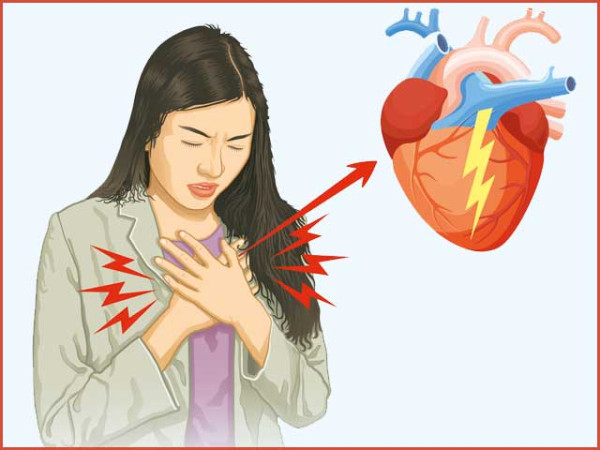
Heart disease is becoming increasingly common in Pakistan and around the world, with doctors warning that heart attack and heart failure are two serious but different conditions that require timely diagnosis, treatment and prevention.
Medical experts say cases of heart disease are rising among people aged 30 to 45, while women are also facing growing risks due to lifestyle changes, stress, unhealthy diets and hormonal factors. The concern is important because symptoms in women may be less obvious and can sometimes be mistaken for fatigue or general weakness.
A heart attack occurs when blood flow to the heart is blocked, usually because of a blockage in the arteries that supply blood and oxygen to the heart muscle. When blood flow is reduced or stopped, heart tissue can begin to suffer damage.
Heart failure, by contrast, is a condition in which the heart gradually becomes too weak to pump enough blood to meet the body’s needs. It is often a long-term condition that can worsen over time, although treatment, lifestyle changes and regular medical care can help many patients manage it.
Doctors also warn that some severe heart attacks can later lead to heart failure if the heart muscle is badly damaged.
Heart attack symptoms in women
Health experts say heart attack symptoms in women are not always limited to severe chest pain. Warning signs may include pressure, tightness, heaviness or pain in the chest that may last for a few minutes, go away and return.
Pain or discomfort may also appear in the neck, jaw, shoulders, arms, back or stomach.
Other possible symptoms include shortness of breath, cold sweating, nausea, dizziness, unusual tiredness, weakness and anxiety. Some women may feel strong pressure or tightness in the upper back during a heart attack.
Doctors advise women not to ignore unusual symptoms, especially if they appear suddenly or feel different from normal fatigue.
How to reduce heart disease risk
Health experts say many heart-related complications can be prevented or delayed through regular checkups and healthier daily habits.
Recommended steps include avoiding smoking, maintaining a balanced diet, staying physically active and monitoring blood pressure, cholesterol and blood sugar levels.
The American Heart Association recommends at least 150 minutes of moderate physical activity or 75 minutes of vigorous exercise each week to support heart health.
Experts also advise adding fruits, vegetables, whole grains, low-fat dairy products, nuts and healthy sources of protein to the diet, while limiting processed foods, excess salt and added sugar.
Doctors say early medical advice is essential if a person experiences symptoms linked to heart attack or heart failure, as timely diagnosis and treatment can help prevent serious complications.
Also Read :Karachi Reports Another Mpox Case, Taking City’s Total to Nine