
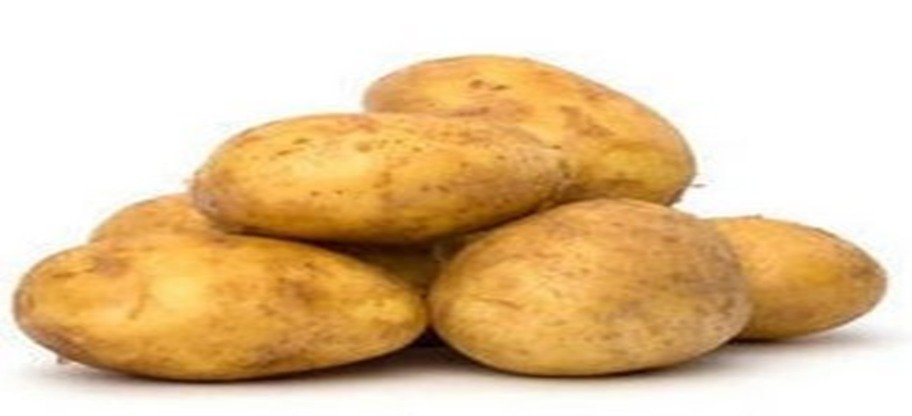
Pakistan has produced a record 12.1 million tons of potatoes this season, but the bumper harvest has triggered falling domestic prices as export capacity and logistics have struggled to absorb the surplus.
According to official documents from the Ministry of National Food Security and Research, potato cultivation has expanded significantly over the past decade, driving production to record levels. However, limited export channels, high freight costs and supply chain constraints have created mounting pressure on growers.
Potato Production Hits Historic High
Official data shows that the area under potato cultivation increased from about 177,700 hectares in 2015-16 to nearly 462,160 hectares in 2025-26. During the same period, production rose from 3.8 million tons to more than 12 million tons.
This season alone, potato cultivation increased by approximately 23% compared with the previous year, pushing total production beyond 12.1 million tons.
Exports Struggle To Absorb Surplus
Pakistan exports potatoes to several countries, including Afghanistan, Sri Lanka, the United Arab Emirates, Qatar, Kazakhstan and Malaysia. However, officials say export growth has been constrained by freight costs, limited market access and logistical challenges, making it difficult to move surplus supplies abroad.
The oversupply has contributed to lower farmgate prices, reducing returns for growers despite the record harvest.
Government Forms High-Level Export Committee
In response, the Prime Minister constituted a high-level committee under the Ministry of National Food Security and Research to improve potato exports.
The committee, led by the Federal Minister for National Food Security and Research and the Deputy Prime Minister, has discussed measures including reducing freight costs, expanding export routes, subsidised cold storage, visa facilitation for transport drivers and reopening international markets, particularly Russia.
Need For Better Market Planning
Agriculture experts say the latest potato season highlights the need to strengthen Pakistan’s post-harvest infrastructure, including cold storage, logistics and export planning.
Without stronger market access and efficient supply chains, record agricultural production may continue to put downward pressure on prices rather than improving farmers’ incomes.
Also Read :BISP Payments Suspended Across Shangla Due to Biometric SIM Shortage