
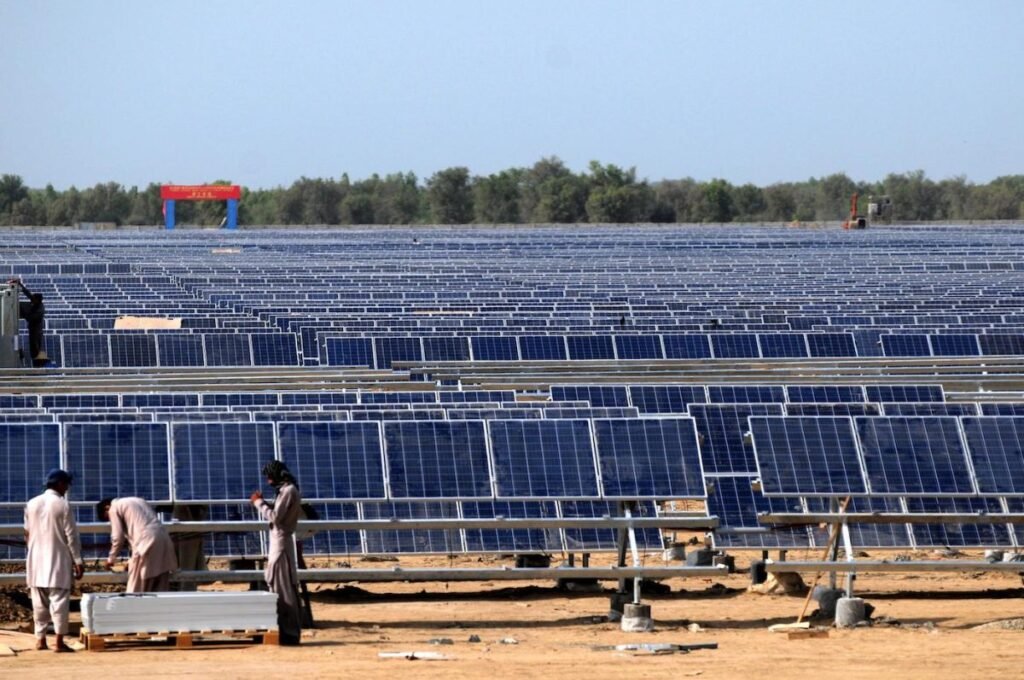
ISLAMABAD: Pakistan’s rapid shift toward solar energy is beginning to reduce the country’s exposure to imported fuel price shocks, as rising regional tensions and higher global oil prices threaten to increase pressure on inflation, economic growth, and foreign exchange reserves.
Officials and analysts say the country’s growing investment in renewable energy, particularly solar power, is helping lower dependence on imported furnace oil, diesel, and liquefied natural gas (LNG), which have historically strained Pakistan’s economy during periods of high international energy prices.
Speaking to Wealth Pakistan, Pakistan Poverty Alleviation Fund (PPAF) Chief Executive Officer Nadir Gul Barech said Pakistan had long relied on imported fuels to meet its energy demand, leaving the economy vulnerable to fluctuations in global markets.
“Pakistan has been spending heavily on the import of furnace oil, LNG, and diesel,” Barech said, adding that the recent expansion of solar energy has started to ease that burden.
He said government measures, including tax-free imports of solar panels and the introduction of net metering, encouraged households, farmers, and businesses to adopt solar systems. Higher electricity and gas tariffs also accelerated the shift toward alternative energy sources.
According to Barech, Pakistan imported around 50 gigawatts of solar panels in recent years, and nearly 25% of the country’s energy needs are now being met through solar power. He said the government’s target of generating 60% of energy through solar by 2035 remains achievable if supportive policies continue.
Rising oil prices and economic risks
The transition comes as Pakistan faces renewed risks from rising global oil prices linked to regional geopolitical tensions.
A report by Topline Securities, titled Soaring Oil Prices Amidst Regional Conflicts: Implications for Pakistan Economy and Market, estimated that Pakistan imports nearly 85% of its energy requirements. Petroleum imports are projected to reach $15 billion in fiscal year 2026, accounting for around 22% of total imports.
The report warned that sustained high oil prices could push average inflation to 9-10% over the next year and slow GDP growth in fiscal year 2027 to between 2.5% and 3%, down from an earlier estimate of 4%.
Barech said Pakistan has already experienced the effects of recent fuel price increases, but renewable energy investments have helped reduce the impact.
“Investment made during the last couple of years in renewable energy, particularly solar, has saved more than $12 billion every year that Pakistan otherwise used to spend on importing furnace oil, LNG, and diesel from the Gulf countries,” he said.
Renewable energy projects expand in rural areas
Barech said the expansion of solar energy in Pakistan has been driven by both government incentives and consumer demand for lower-cost electricity.
He added that the PPAF has implemented more than 1,450 renewable energy and climate resilience projects over the past decade, generating 16.5 megawatts through solar, hydropower, wind, and biogas systems.
The projects have provided electricity to off-grid communities and supported schools and healthcare facilities in underserved areas.
According to Barech, PPAF initiatives in southern Pakistan have also supported about 45,000 farmers, producers, and small businesses connected to agriculture and dairy value chains, including olive, grape, date, mango, banana, onion, and dairy farming.
He said these programmes created around 47,000 jobs in rural areas of Balochistan and Sindh. Through training, grants, and financing support, many beneficiaries adopted green technologies for their operations.
Barech said Pakistan should continue diversifying its renewable energy mix beyond solar power by investing in hydropower, coastal wind energy, and livestock-based biogas projects.
He added that reducing fuel imports could help the country redirect financial resources toward debt servicing, employment generation, and social sector development.