
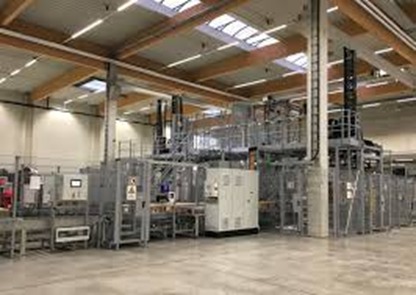
LAHORE, June 24, 2026: The Pakistan Atomic Energy Commission (PAEC) is planning to establish a new electron-beam (e-beam) irradiation facility in Karachi to support exporters in meeting international food safety and phytosanitary standards and expanding access to global markets.
The proposed project builds on the Pakistan Atomic Energy Commission irradiation facility expansion initiative, following the operational success of the PARAS irradiation plant in Lahore, which has been used for decades to treat food and medical products for export compliance.
According to PAEC spokesperson Dr Rashid Mahmood, the new facility is aimed at helping exporters meet strict import requirements in quality-sensitive markets, thereby improving the export potential of Pakistan’s agricultural and food sectors.
Technology designed for export compliance
Dr Mahmood said electron-beam irradiation uses high-energy electrons for sterilisation, contamination control, and material modification. He noted that such systems are widely used internationally in food safety, healthcare products, and industrial processing.
He added that more than 55 countries permit food irradiation as a phytosanitary treatment to eliminate pests, bacteria, and contamination risks in products such as meat, spices, herbs, and agricultural goods.
Role of PARAS Lahore facility
The PAEC-operated PARAS (Pakistan Radiation Services) facility in Lahore, which uses both gamma and electron-beam technologies, has been functioning since 1988. It provides irradiation services for medical devices, pharmaceuticals, and agricultural exports, helping extend shelf life and meet international standards.
According to Dr Mahmood, the facility has the capacity to process up to 60,000 tonnes annually and serves exporters dealing in spices, frozen meat, flour, and other food products destined for markets including the United States, Australia, Canada, and the Middle East.
He said Pakistani mangoes processed at PARAS have also been exported to Australia, while irradiation treatment has supported frozen poultry exports to Qatar by eliminating salmonella risks.
Expected export impact of Karachi facility
PAEC officials said the proposed Karachi facility is expected to further support exporters, particularly in perishable food categories, and improve compliance with international quarantine and safety requirements.
They added that expanding irradiation infrastructure would help strengthen Pakistan’s access to food-deficit markets and improve competitiveness in global agricultural trade.
Also Read: WAPDA Seeks IsDB Financing Extension for Mohmand Dam Project Until 2027