
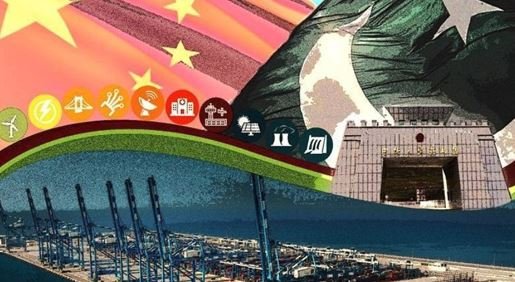
Experts say the priorities outlined in China’s development strategy align with the evolving direction of CPEC 2.0, which is gradually expanding beyond major infrastructure projects towards initiatives aimed at improving livelihoods and strengthening human capital.
The shift reflects a broader focus on people-centred cooperation, with potential areas including vocational training, digital education, agriculture, healthcare, employment generation and rural development.
CPEC 2.0 Focuses on Human Capital Development
Experts believe the next phase of Pakistan-China cooperation provides an opportunity to move beyond traditional infrastructure investment and place greater emphasis on developing skills and improving social sectors.
Speaking to Wealth Pakistan, Max Ma, Founder and Chief Executive Officer of UNI International (Pakistan), said human capital development should receive the same attention as physical infrastructure in future cooperation.
He said China’s experience in technical and vocational education and training (TVET) could help Pakistan strengthen its skills development system, improve youth employability and support long-term economic growth.
According to Ma, collaboration between Pakistani institutions and Chinese vocational education providers could help modernise training programmes through teacher development, digital learning and stronger links between education institutions and industry.
He said such initiatives could prepare young Pakistanis for emerging sectors and improve their competitiveness in both domestic and international job markets.
Pakistan-China Vocational Training Cooperation Expands
Ma highlighted the Pakistan-China vocational training initiative under the Prime Minister’s Youth Programme as an example of growing cooperation in skills development.
The programme aims to train 100,000 digitally skilled young people over five years, including 10,000 through classroom-based programmes and 90,000 through online learning. It also includes plans to prepare 1,000 master trainers within two years to strengthen Pakistan’s training capacity.
Ma said projects focused on skills, digital education and entrepreneurship could help increase income opportunities and create broader economic participation.
Experts Highlight Community-Level Impact of CPEC
Former Pakistan ambassador to China Masood Khan said China’s latest development priorities are closely linked with the objectives of CPEC 2.0, which increasingly focuses on sectors including agriculture, healthcare, education, vocational training, poverty reduction and rural development.
He said aligning Pakistan’s development priorities with people-focused initiatives could help address socioeconomic challenges, improve employment opportunities and strengthen local communities.
Khan added that expanding cooperation into areas directly connected with citizens’ daily lives would make the Pakistan-China partnership more inclusive and sustainable.
As CPEC enters its next stage, experts say greater emphasis on human development and community-based projects could shape the future direction of bilateral economic cooperation between Pakistan and China.
Also Read: Google’s AI Seekho 2026 Trains New Generation of Pakistan’s AI Builders