
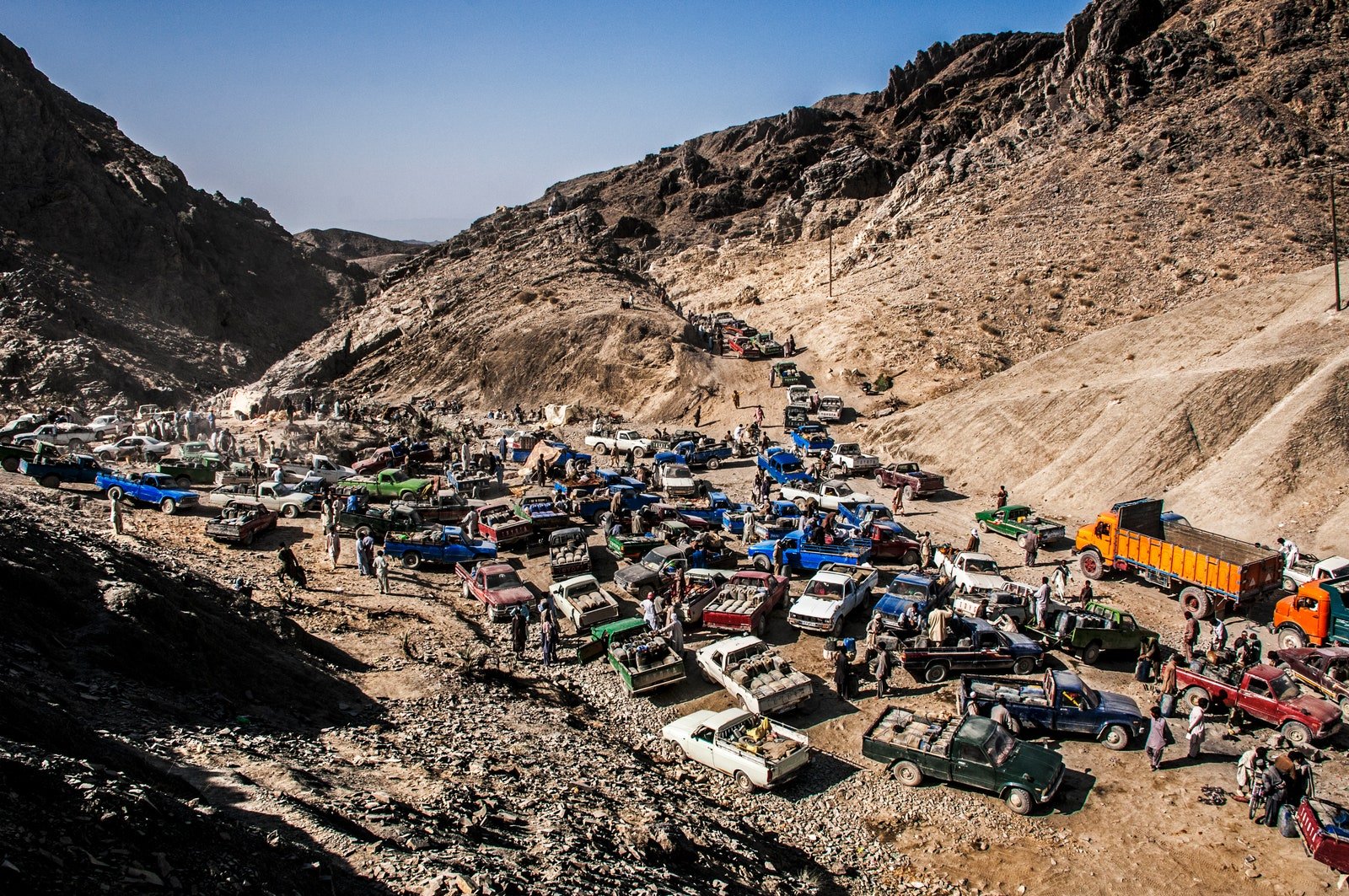
ISLAMABAD: The supply of smuggled Iranian petrol and diesel entering Pakistan has fallen by around 60% over the past six weeks after a series of attacks on fuel tankers in Balochistan disrupted key cross-border smuggling routes, according to oil industry sources.
The sharp decline is expected to shift more demand towards licensed oil marketing companies and authorised petrol stations, while offering an opportunity for domestic refineries to recover market share lost to untaxed fuel entering through informal channels.
Industry sources said at least six fuel tankers travelling from Iran were reportedly attacked during the past 45 days, causing significant financial losses and increasing security risks for operators involved in the illegal fuel trade.
Tanker Attacks Disrupt Informal Fuel Supply
For years, smuggled Iranian petrol and diesel have entered Pakistan through informal routes in Balochistan before reaching markets across the province and parts of Sindh and Punjab.
However, repeated attacks on fuel tankers have disrupted these supply routes, forcing many operators to suspend or reduce cross-border transportation.
Oil sector sources said the deteriorating security situation has significantly reduced the volume of smuggled petroleum products reaching local markets.
Smuggled Fuel Expanded During Regional Energy Disruptions
The flow of cheaper Iranian fuel increased during periods of regional energy uncertainty, rising international crude oil prices and disruptions to global shipping routes.
The availability of lower-priced fuel helped meet demand in several border regions and nearby markets, although the trade remained outside Pakistan’s formal taxation and regulatory framework.
The informal supply also became a longstanding concern for domestic refineries and licensed oil marketing companies, which argued that smuggled fuel reduced legal sales and affected government tax revenues.
Demand Expected to Shift Back to Licensed Fuel Suppliers
With smuggled supplies declining, industry observers expect demand to move back towards authorised petrol pumps and licensed oil marketing companies.
The shift could help domestic refineries regain market share while strengthening sales through the formal petroleum distribution network.
However, consumers in areas that previously relied on cheaper Iranian fuel may face reduced availability and higher prices if official supply chains do not fully meet local demand.
Long-Term Impact Depends on Security and Enforcement
The future of cross-border fuel smuggling will largely depend on security conditions along border routes, enforcement efforts against illegal petroleum trade and the ability of Pakistan’s formal fuel supply network to meet demand.
Industry experts say stronger border enforcement and a stable supply through authorised channels will be essential to reducing dependence on informal fuel markets and strengthening Pakistan’s regulated petroleum sector.
Also Read: PM Orders Digital Fuel Tracking System to Curb Petrol Hoarding