
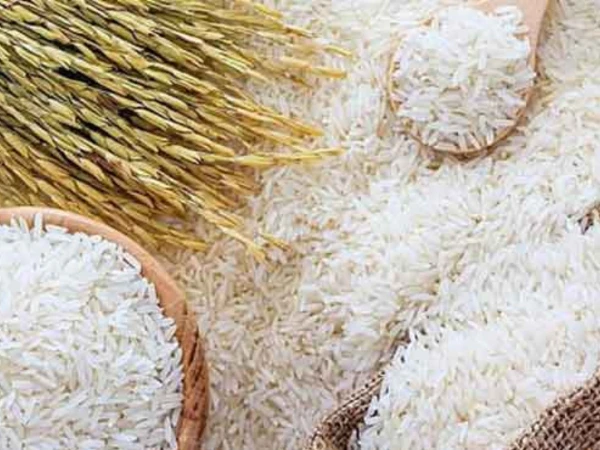
Washing rice before cooking is a common kitchen practice in many parts of the world, but experts say rinsing it repeatedly until the water runs completely clear may not be necessary.
Recent research suggests that washing rice before cooking can help remove surface dust, reduce some contaminants and lower microplastic levels, but excessive rinsing may also wash away small amounts of water-soluble nutrients.
The cloudy white water released during rinsing is often mistaken for dirt. Food experts say it also contains starch and trace minerals such as iron, zinc, copper and vanadium. These minerals are needed by the body in small amounts, although rice is not considered a major source of them in a regular diet.
Nutrition specialists say the loss of these nutrients during washing is not likely to have a major impact on overall diet. For most households, the issue is less about nutrition loss and more about cleanliness, food safety and cooking preference.
One reason many experts still recommend rinsing rice is the possible presence of arsenic. Arsenic is a naturally occurring element that can enter rice plants through soil and water. Washing rice may reduce some arsenic present on the surface of the grains, although it does not remove it completely.
Microplastics have also become a growing concern in food research. A 2021 study found that washing rice before cooking could reduce microplastic content by around 20 to 40 percent. Scientists are still studying the long-term health effects of microplastics, but reducing exposure where possible is generally seen as a cautious approach.
At the same time, experts note that rice sold in modern supermarkets usually goes through several industrial processing stages before reaching consumers. These include cleaning, drying, husking, polishing and packaging, which means packaged rice is often already clean and safe for cooking.
The overall guidance from food experts is that rice can be rinsed as a useful precaution, but it does not need to be washed repeatedly until the water becomes fully transparent. Rinsing rice once or twice is generally considered enough for most households.
This approach can help reduce surface impurities and possible microplastics while limiting unnecessary loss of starch and trace nutrients. Experts say moderation remains the best practice when preparing rice for cooking.
Also Read : Rs50m trout farming project launched in GB