
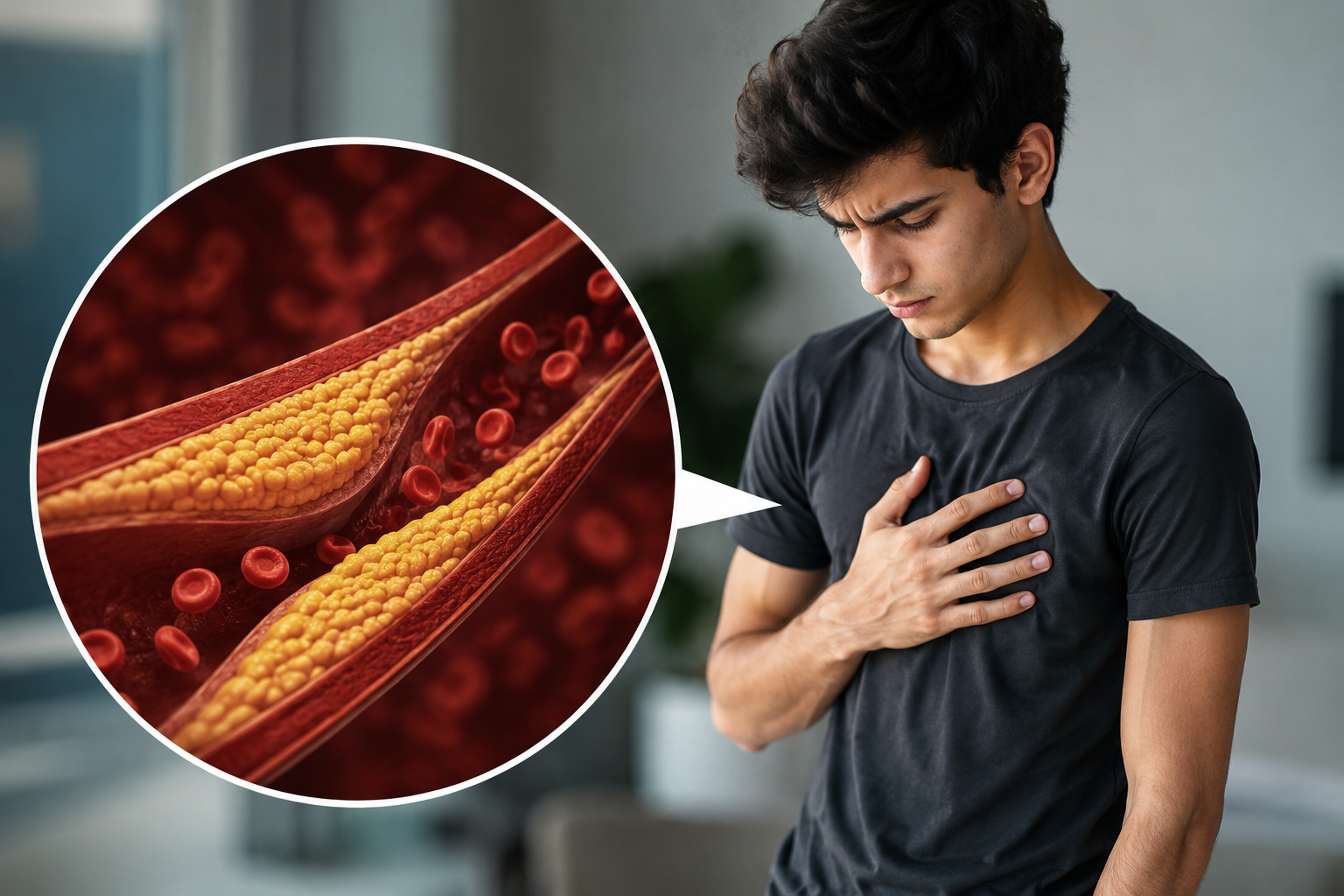
Being slim or appearing physically fit does not necessarily mean a person has healthy cholesterol levels, a UK-based cardiologist has warned, highlighting that high cholesterol can remain undetected for years without causing noticeable symptoms.
Health experts say elevated cholesterol is often referred to as a “silent risk” because it can gradually increase the likelihood of heart attacks, strokes, and other cardiovascular diseases without obvious warning signs. They stress that people of all body types—not just those who are overweight—should monitor their cholesterol levels regularly.
High Cholesterol Can Affect Anyone
Dr. Zoe Astroulakis, a consultant cardiologist at New Victoria Hospital in London, said many people mistakenly believe high cholesterol only affects older adults, individuals with obesity, or those who consume unhealthy diets. In reality, even people who exercise regularly, maintain a balanced diet, and have a lean body can develop high cholesterol.
According to Dr. Astroulakis, a blood test remains the only reliable way to determine cholesterol levels, as many people live with high cholesterol for years without experiencing any clear symptoms.
Family History Increases the Risk
The cardiologist also emphasized the importance of family medical history. Individuals with close relatives who have high cholesterol or cardiovascular disease may face a greater risk, even if they appear healthy. Regular cholesterol screening is therefore recommended for people with a family history of heart-related conditions.
Understanding Good and Bad Cholesterol
Health experts explain that cholesterol is a fatty substance carried through the bloodstream by different types of lipoproteins. Low-density lipoprotein (LDL), commonly known as “bad cholesterol,” can build up inside artery walls, restricting blood flow and increasing the risk of heart disease and stroke.
High-density lipoprotein (HDL), or “good cholesterol,” helps remove excess cholesterol from the bloodstream. Lower HDL levels reduce the body’s ability to clear excess cholesterol, potentially increasing the risk of cardiovascular complications.
Medical experts advise people of all ages and body types to have their cholesterol checked periodically, as early detection and treatment can help reduce the risk of serious heart and blood vessel diseases.
Also Read : Is Your Morning Cup Of Tea Doing More Harm Than Good?