
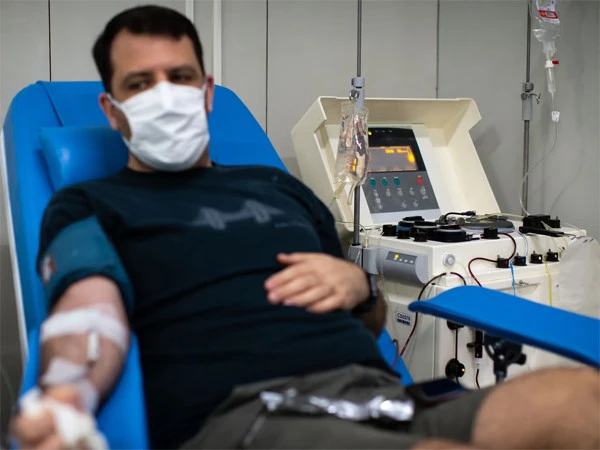
A new study suggests that apheresis, a medical treatment used to lower extremely high cholesterol levels, may also help remove harmful “forever chemicals” (PFAS) from the bloodstream, offering a potential new approach to reducing exposure to persistent environmental pollutants.
Researchers analyzed filters used during apheresis treatments and found evidence that, alongside cholesterol and blood fats, the technology may also capture toxic substances that remain in the human body for years. The findings could have broader implications for environmental health if confirmed by future research.
How apheresis works
Apheresis is typically used for patients whose cholesterol levels cannot be controlled with medication alone. During the procedure, blood is drawn from one arm, passed through a specialized filter that removes excess fats, and then returned to the body through the other arm.
The study was conducted at the Technical University of Dresden in Germany, home to one of the world’s largest apheresis centers, where approximately 10,000 procedures are performed each year.
Researchers examined treatment filters
Scientists analyzed used filter bags to determine whether the treatment removes substances other than cholesterol. Their primary focus was on per- and polyfluoroalkyl substances (PFAS), commonly known as forever chemicals, as well as microplastics.
PFAS are widely used in industrial and consumer products and are known for persisting in the environment and the human body. Long-term exposure has been linked to a range of potential health risks.
More research needed
Researchers emphasized that additional studies are required to confirm whether apheresis can consistently and effectively remove PFAS and microplastics from the bloodstream.
If future research supports these findings, the technology could offer a promising new strategy for reducing the health impacts of long-term exposure to environmental pollutants.
Also Read : Oxford Study Raises Food Safety Concerns Over Poultry Farming