
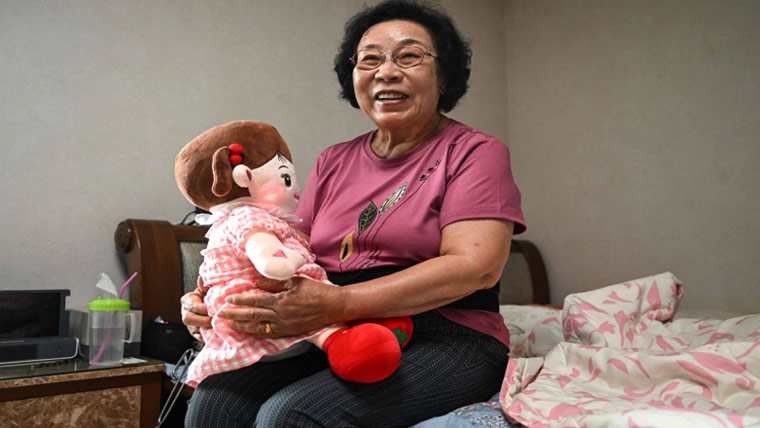
In a small apartment in South Korea, 78-year-old Bang Chun-ja has found daily companionship in an AI doll designed to support elderly people who live alone.
The doll, called Hyodol, is part of a growing use of artificial intelligence in elder care, as South Korea faces a rapidly ageing population, rising single-person households and concerns over social isolation among older citizens.
Bang, who lives by herself in Yongin, south of Seoul, says the childlike doll has become a source of comfort in her daily routine. It talks to her, sings when she feels bored, reminds her to eat and take medication, and offers affectionate phrases that help ease feelings of loneliness.
According to reports, Bang has faced several difficult periods in life, including divorce, raising a child as a single mother, physical pain and depression after major back surgery. She said the doll provides a form of companionship that feels safe and consistent.
AI Companions Support Seniors Living Alone
AI-powered care devices are being used by some local authorities in South Korea to assist older people who may not have regular family support. These devices can provide reminders, conversation, entertainment and basic emotional reassurance.
Hyodol, the company behind the doll, says thousands of its AI dolls are being used in homes, nursing facilities and welfare programs across South Korea. Some AI care tools are also designed to detect signs of distress or prolonged inactivity among elderly users.
The technology reflects a broader challenge in South Korea, where many older adults live alone and social isolation has become a public concern. Reports have linked the growing demand for AI care devices to the country’s ageing society and the need for additional support systems for vulnerable seniors.
Experts Urge Balance With Human Contact
While AI companions may help reduce loneliness, experts caution that they should not replace human relationships or community care. Researchers say artificial companions can provide emotional support, but families, friends, social workers and local services remain essential for older people’s well-being.
For Bang, however, the doll has become a meaningful part of her life. She says spending time with Hyodol helps her feel less lonely, less sad and more at ease.
Her experience highlights how artificial intelligence may play a growing role in elder care, especially for people living alone, while also raising questions about the limits of technology in meeting human emotional needs
Also Read : China unveils AI model to forecast typhoons, storm surges and other marine hazards