
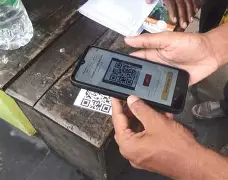
ISLAMABAD, Jun 03 (ABC): Around two million single-phase electricity consumers in Pakistan have registered under a new QR code electricity subsidy system introduced to verify eligibility for subsidized power tariffs. The initiative is part of the government’s effort to ensure that electricity subsidies reach households that qualify for financial support while maintaining assistance for low-usage consumers.
According to official documents from the Ministry of Energy, the number of consumers receiving protection under subsidized tariff categories has increased significantly in recent years, contributing to a growing subsidy bill and prompting efforts to improve verification and targeting.
What is the QR code electricity subsidy system?
The QR code system is a verification mechanism designed to identify consumers who qualify for electricity subsidies. Under the system, eligible users can register and confirm their status through a digital process.
The Ministry of Energy says the program is intended to improve the accuracy of subsidy distribution rather than reduce support for households that depend on lower electricity rates.
Government officials have stated that consumers who are verified as eligible will continue receiving subsidies without interruption.
Why does it matter?
Electricity subsidies represent a major cost for Pakistan’s power sector. The ministry’s documents show that the annual subsidy provided to protected consumers increased from Rs199 billion in fiscal year 2022 to Rs423 billion in fiscal year 2025-26.
The number of protected consumers also rose from 9.5 million in FY2022 to 21.5 million in 2026.
Overall, subsidized residential consumers now total 29.57 million, accounting for approximately 86% of all residential electricity users in the country.
Officials say improved verification could help direct public resources toward consumers who meet eligibility requirements.
How much is Pakistan spending on electricity subsidies?
The Ministry of Energy estimates that combined residential and agricultural electricity subsidies amount to Rs527 billion.
According to the documents:
- Rs249 billion is financed directly by the federal government.
- Rs278 billion is funded through cross-subsidies paid by other electricity consumers.
Cross-subsidies occur when certain consumer categories pay higher tariffs to help support lower rates for other groups.
Who is affected?
The system primarily affects residential consumers receiving subsidized tariffs, particularly those classified as protected consumers.
Protected consumers are generally households with relatively low consumption that qualify for lower tariff rates.
The ministry has said that final eligibility criteria for the QR code verification process will be determined through public consultations.
What changes have been reported in electricity tariffs?
The ministry’s documents indicate that rates declined across several consumer categories between March 2024 and May 2026.
The national average all-inclusive tariff fell from Rs53.04 per unit to Rs42.26 per unit, a decrease of about 20%.
Reported tariff changes include:
- Protected consumers using up to 200 units: from Rs24.07 to Rs16.56 per unit.
- Industrial consumers: from Rs62.99 to Rs42.40 per unit.
- Commercial consumers: from Rs76.00 to Rs70.08 per unit.
- Agricultural consumers: from Rs47.56 to Rs40.82 per unit.
These figures include applicable charges and taxes reflected in all-inclusive rates.
What measures has the government cited to reduce power-sector costs?
The Ministry of Energy highlighted several measures aimed at lowering costs and improving the financial position of the power sector.
According to the documents, these include:
- Rs3.5 trillion in projected lifetime savings from renegotiated agreements with Independent Power Producers (IPPs).
- Rs47 billion generated through the disposal of redundant machinery owned by government power-generation companies.
- Rs193 billion in savings linked to lower distribution company (DISCO) losses in FY2024-25 compared with FY2023-24.
- A reported Rs780 billion reduction in circular debt during FY2024-25.
Circular debt refers to unpaid obligations that accumulate across Pakistan’s electricity supply chain.
What does the document say about future energy plans?
The ministry’s projections indicate a growing role for clean and domestically sourced energy.
According to the document:
- Clean energy accounted for 55% of Pakistan’s generation mix in 2025.
- The share is targeted to increase to 90% by 2035.
- Local fuel sources represented 74% of the energy mix in 2025.
- The local fuel share is projected to reach 96% by 2035.
- The fuel import bill is projected to decline from $2.4 billion to $0.3 billion over the same period.
These targets form part of broader efforts to reduce dependence on imported fuels and lower long-term energy costs.
What happens next?
The government says consultations will be held before finalizing eligibility criteria for the QR code verification system.
Consumers who meet the approved requirements are expected to continue receiving subsidized rates, while the verification process is intended to improve the targeting of subsidy support across the residential sector.