
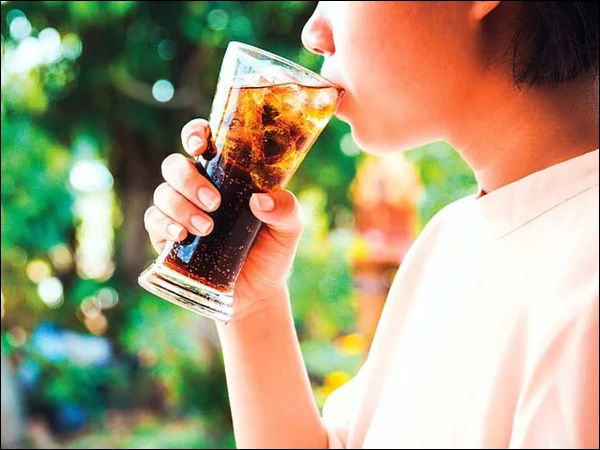
LONDON: The UK government has announced plans to ban the sale of high-caffeine energy drinks to children under the age of 16 in England as part of a broader effort to improve children’s health and reduce the risks associated with excessive caffeine consumption.
The proposed measure, which still requires parliamentary approval, would prohibit retailers, vending machines, and online platforms from selling qualifying energy drinks to under-16s.
Proposed Law Targets High-Caffeine Drinks
Under the proposal, the restriction would apply to energy drinks containing more than 150 milligrams of caffeine per litre.
The government said the ban would be enforced across all sales channels, including physical stores, vending machines, and online retailers, to ensure consistent protection for children and teenagers.
Government Cites Health Risks
Public Health Minister Sharon Hodgson said the proposal reflects the government’s commitment to improving children’s health and limiting their exposure to excessive caffeine.
Officials cited research suggesting that high consumption of energy drinks may contribute to sleep problems, anxiety, headaches, and difficulty concentrating among children and adolescents.
Health experts also note that children’s developing brains and bodies are generally more sensitive to caffeine than adults.
Fines for Non-Compliance
The proposed legislation would be introduced under the Food Safety Act 1990, with enforcement carried out by local authorities.
If approved, businesses found selling restricted energy drinks to children under 16 could face financial penalties. Individuals and small businesses could be fined up to £1,500, while larger businesses could face fines of up to £2,500.
The proposal excludes tea and coffee but would apply to other beverages that exceed the specified caffeine limit.
Industry and Health Groups Respond
The British Soft Drinks Association has questioned the need for the legislation, stating that its member companies have voluntarily avoided promoting or selling energy drinks to children under 16 since 2010 and that products already carry warning labels.
Public health organizations, however, have welcomed the proposal. Katharine Jenner, Chief Executive of the Obesity Health Alliance, said restricting children’s access to highly caffeinated drinks is a positive step toward protecting their physical and mental well-being.
The proposed ban forms part of the UK government’s wider child health strategy, which also includes discussions on additional safeguards for children’s use of social media.
Scotland, Wales, and Northern Ireland are also considering similar measures to restrict the sale of high-caffeine energy drinks to minors.
Also Read :Health Ministry and LUMS AI Hub Join Forces to Improve Maternal and Child Healthcare