
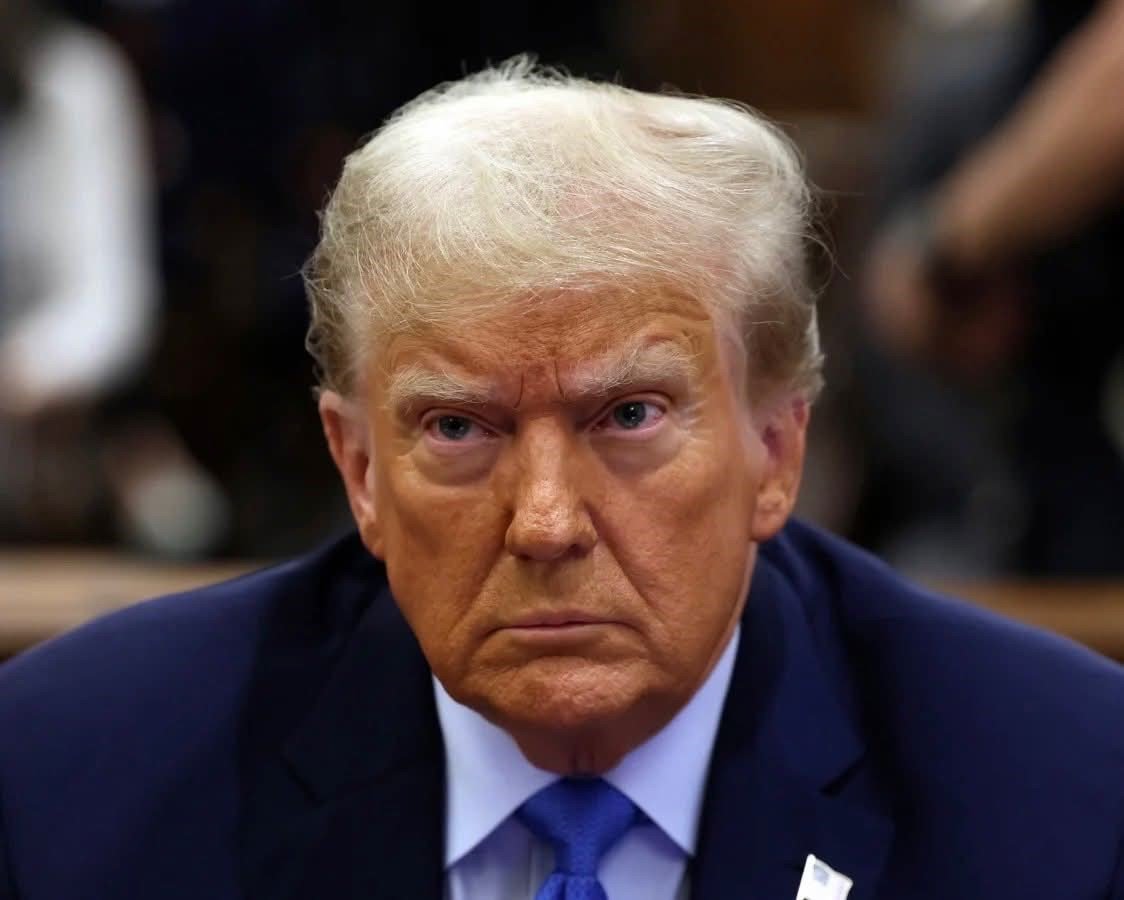
Ankara: US President Donald Trump has said Washington’s ceasefire understanding with Iran is effectively over, after fresh American military strikes pushed tensions in the Middle East to a new dangerous point.
Speaking to reporters on the sidelines of the NATO summit in Ankara, Trump said the latest US military action was carried out in response to Iranian attacks and alleged violations of the ceasefire. He said the United States would take every possible step to protect its interests and allies, while repeating that Iran would not be allowed to acquire nuclear weapons.
Trump claimed American forces struck more than 80 targets inside Iran and said oil-related sanctions had also been restored. According to him, companies linked to the affected transactions have been given until July 17 to wind down their dealings.
The US president said Tehran had wasted too much time in negotiations and had shown no serious intent to reach a deal. He added that Washington’s position on Iran’s nuclear programme was now clear and firm.
Trump also claimed that Iran’s military leadership had been eliminated and replaced by new commanders. However, he did not provide evidence to support the claim, and it has not been independently verified.
NATO Backs Washington
Trump’s remarks came as NATO Secretary General Mark Rutte publicly supported the US action, calling Washington’s response “absolutely necessary” if Iran had violated the ceasefire.
Rutte said a quick and strong response was important to prevent the situation from worsening and to help maintain regional stability.
His statement suggests NATO’s leadership is moving closer to Washington’s position, though questions remain over how far the wider alliance is willing to go in backing US policy on Iran.
Trump, meanwhile, criticised NATO allies for not giving the United States the level of support he expected during the Iran crisis. He said Washington contributes the most to the alliance and argued that European members should take greater responsibility for shared security challenges.
He also repeated his view that NATO needs America more than America needs NATO, while describing his meeting with Rutte as constructive.
Iran Condemns US Strikes
Iran strongly rejected the American attacks, calling them illegal aggression and a violation of its sovereignty.
Tehran said it reserves the right to respond in defence of its national security, raising fears of another round of retaliation between the two sides.
The exchange has deepened concern that the conflict could move beyond limited strikes and turn into a wider regional confrontation.
Why The World Is Watching
The renewed US-Iran confrontation comes at a highly sensitive time for global energy markets.
Iran sits close to the Strait of Hormuz, one of the world’s most important oil shipping routes. Any disruption in the region could push up crude prices, increase shipping and insurance costs, and add fresh pressure on inflation worldwide.
For countries already struggling with high import bills, weaker currencies and expensive energy, even a short period of instability could become costly.
What It Means For Pakistan
Pakistan is not part of the conflict, but it cannot remain unaffected if tensions continue to rise.
A jump in global oil prices would directly increase Pakistan’s fuel import bill. That could lead to higher petrol and diesel prices, more expensive electricity generation and rising transport costs, all of which would add pressure on ordinary consumers.
The conflict could also put pressure on Pakistan’s foreign exchange reserves and the rupee, as higher energy payments would increase demand for dollars.
Another major concern is the Gulf region, where millions of Pakistanis live and work. If the crisis spreads, it could affect jobs, remittances, travel and trade links that are vital for Pakistan’s economy.
Diplomatically, Islamabad would also face a difficult balancing act. Pakistan has ties with Iran, the United States, Gulf Arab states and China. A prolonged confrontation would require careful handling to avoid being pulled into rival blocs.
Security along the Pakistan-Iran border could also become more sensitive if instability grows. Islamabad may have to increase vigilance and prepare for possible spillover risks.
Outlook
Trump’s declaration, NATO’s support for the US response and Iran’s warning of retaliation all point to a dangerous moment in the Middle East.
For now, the crisis remains open-ended. Any further strike or counterstrike could affect not only Iran and the United States, but also global oil markets, regional security and countries like Pakistan that are closely tied to the Gulf economy.
Also Read: Oil Prices Surge As Iran-US Conflict Escalates