
ISLAMABAD: Concerns are growing in Balochistan over the Reko Diq mining project, with local representatives, civil society groups, and business leaders questioning whether the province has received sufficient economic and social benefits despite more than a decade of development work.
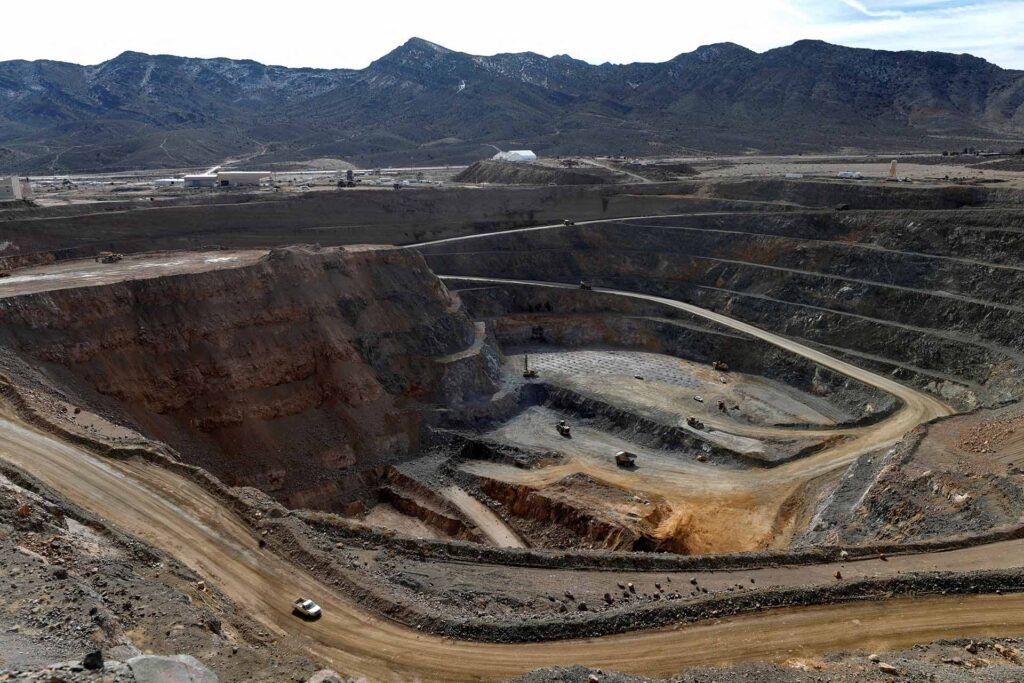
The project, located in Chagai district, is considered one of the world’s largest copper and gold mining ventures and has attracted major international investment. However, many local stakeholders say employment opportunities, infrastructure development, and community welfare initiatives linked to the project have yet to create a visible impact for the people of Balochistan.
Calls for transparency over Reko Diq agreements
The issue was recently raised in the Balochistan Assembly by Maulana Hidayat-ur-Rehman, Chairman of the Haq Do Tehreek, who called for greater transparency regarding the project’s financial and operational details.
During his speech, he said the provincial assembly and the people of Balochistan had not been provided complete information about key aspects of the project, including investment details, production targets, exports, revenue generation, royalty payments, profit-sharing arrangements, local employment figures, environmental safeguards, and social development programmes.
Members of the Jamiat Ulema-e-Islam (JUI) and the Balochistan National Party (BNP) also supported demands for greater transparency and protection of provincial interests.
Assembly resolution seeks white paper on project details
A proposed resolution in the Balochistan Assembly has called on the federal and provincial governments to present all agreements, financial arrangements, and documents related to provincial rights before lawmakers.
The resolution also seeks the publication of a comprehensive White Paper within three months, covering details of investment, production, exports, revenue, royalties, taxes, profits, and financial benefits received by the provincial government.
It further proposes the formation of a special parliamentary committee of the Balochistan Assembly to examine the project’s operations and provide recommendations on improving local participation.
Demand for local jobs and development initiatives
The resolution calls for a clear policy to increase employment opportunities for residents of Balochistan, provide technical training, support local businesses, and ensure greater participation of communities affected by mining activities.
Stakeholders have also demanded that a fair share of revenue generated from Reko Diq be directed towards development projects in Chagai and other underdeveloped districts, particularly in education, healthcare, clean drinking water, infrastructure, and employment creation.
The proposal also recommends that the project submit progress updates to the Balochistan Assembly every six months.
Business community and legal representatives raise concerns
Concerns over the distribution of benefits have also emerged outside the provincial assembly.
At an event organized by the Quetta Bar Council, representatives of the legal community highlighted the need for more transparency and stronger involvement of local communities in the project.
Business leaders and industrialists associated with the Quetta Chamber of Commerce also stressed the importance of creating more employment opportunities for local residents and ensuring that economic benefits reach businesses and communities in the province.
Political observers say the growing debate reflects increasing public demand for transparency, accountability, and meaningful participation in one of the region’s most significant mining projects.
The Reko Diq project’s long-term success, stakeholders argue, will depend not only on mineral production and investment but also on how effectively it contributes to sustainable development and improves the lives of communities in Balochistan.
Also Read: Operation Shabaan: Security Forces Kill 39 Militants in Balochistan, Sources Say