
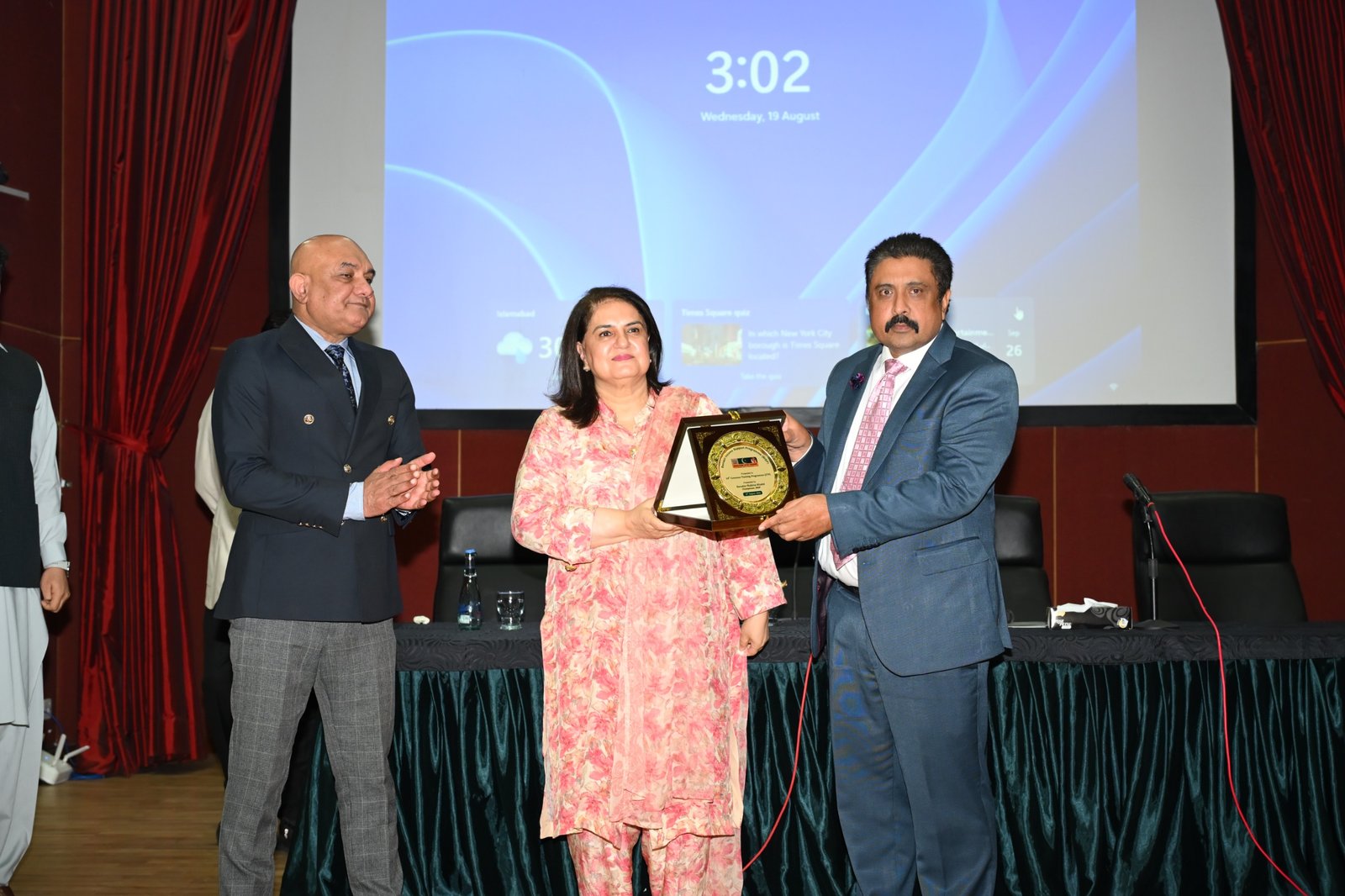
ISLAMABAD: A delegation of 217 probationary officers from the 54th Common Training Programme of the Civil Services Academy visited the Benazir Income Support Programme headquarters on Wednesday, where they were briefed on BISP’s social protection system, beneficiary targeting, digital payment reforms and poverty-reduction initiatives.
BISP Chairperson Senator Rubina Khalid, while addressing the officers, said the programme had evolved beyond cash assistance and now followed a broader life-cycle approach covering education, nutrition, financial inclusion, skills development and livelihood opportunities.
She said BISP was also introducing digital wallets for around 10 million women beneficiaries as part of efforts to make payments safer, more transparent and convenient.
Khalid said the programme was moving towards an interoperable payment system that would allow beneficiaries to withdraw funds through agents of participating partner banks rather than being restricted to specific payment points.
She told the officers that recognising women as the direct beneficiaries of BISP had been one of the programme’s defining features. The requirement for beneficiaries to obtain a Computerised National Identity Card had also helped bring millions of women into the national database and formal financial system, she added.
Addressing criticism that social assistance creates dependency, Khalid said BISP was intended to protect vulnerable households from falling into extreme poverty while helping them maintain dignity and gradually improve their economic position.
She also outlined BISP’s exit and recertification policy, under which families whose socio-economic circumstances improve are expected to graduate from the programme.
The chairperson highlighted the Benazir Hunarmand Programme as part of this approach, saying skills development and livelihood opportunities were necessary to help beneficiary families move towards greater economic independence.
Officers Briefed on NSER, Kafaalat and Nashonuma
The delegation was also briefed on the National Socio-Economic Registry (NSER), which BISP uses for beneficiary identification and social protection planning.
Khalid described the registry as a major national data resource and said it was also being used by provincial organisations in designing and implementing welfare initiatives.
Director General NSER/CCT Dr Asim Ijaz briefed the probationary officers on Benazir Kafaalat, Benazir Taleemi Wazaif, Benazir Nashonuma and the NSER system.
Citing research by Aga Khan University, he said the Benazir Nashonuma Programme had contributed to a 6.4% reduction in child stunting, highlighting the role of targeted nutrition interventions for mothers and children.
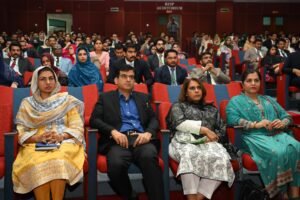
The officers later took part in an interactive session covering BISP’s institutional structure, beneficiary targeting, payment mechanisms, digital transformation and future policy direction.
The visit concluded with Civil Services Academy representative Dr Faisal Zahoor presenting a commemorative shield to the BISP chairperson.
Also Read: BISP Marks Independence Day, Launches ‘Green Pakistan, Benazir Pakistan’ Campaign