
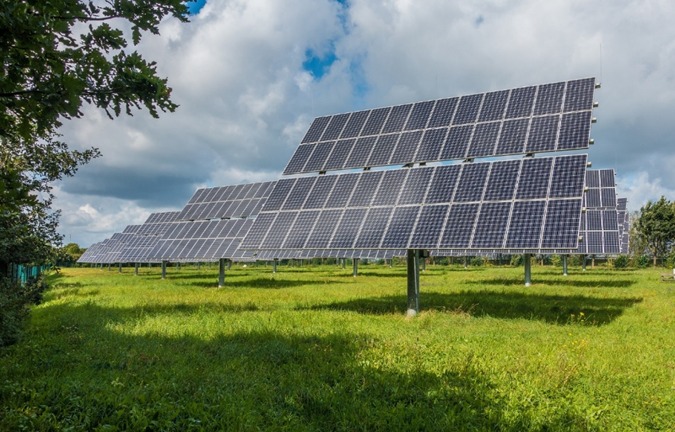
Pakistan’s installed electricity generation capacity has increased to 46,275.36 megawatts (MW) by June 2026, reflecting a net addition of 1,820.66 MW during the fiscal year 2025-26, according to official Power Division data.
The expansion, tracked by the Power Division and reported by Wealth Pakistan, highlights a clear shift in the country’s energy mix, with renewable energy—particularly solar net metering—emerging as the leading source of new capacity additions. The growth comes as Pakistan continues to adjust its electricity system amid rising demand and a gradual move away from dependence on imported fuels.
Renewable energy leads capacity growth
Out of the total increase, 1,663.44 MW came from solar net-metering systems, while 157.22 MW was added through hydropower projects. The data shows that distributed solar adoption by households, businesses, and industries played a central role in driving the overall increase.
Solar net-metering capacity rose from 5,492.7 MW in July 2025 to 7,156.14 MW by June 2026, reflecting growing investment in rooftop solar installations. Officials and energy analysts link this trend to rising electricity costs and increased interest in self-generation.
Hydropower capacity also recorded steady growth, increasing from 11,707 MW to 11,864.22 MW, reinforcing its position as a long-term component of Pakistan’s energy strategy due to low operating costs and renewable output.
Conventional generation remains stable
Most conventional power sources remained unchanged during the fiscal year. Coal-based generation stayed at 7,920 MW, including local and imported coal projects. Gas-based capacity remained at 3,422 MW, while RLNG plants continued at 6,973 MW.
Oil-fired generation stood at 2,515 MW, bagasse-based plants at 400 MW, and nuclear power at 3,530 MW. Wind energy capacity also remained steady at 1,845 MW, while utility-scale solar projects were unchanged at 650 MW.
Shift toward distributed energy
The data indicates that while large-scale thermal capacity has largely plateaued, distributed renewable systems are becoming increasingly significant in Pakistan’s power landscape. The rise in net metering reflects growing consumer participation in electricity generation.
The overall increase in renewable capacity is seen as important for reducing fuel import dependence, improving energy security, and lowering emissions as Pakistan expands its generation base beyond 46,000 MW.
Also Read: Solar expansion helps Pakistan soften impact of global fuel price shocks