
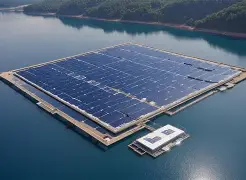
ISLAMABAD, May 07 (ABC): Pakistan is planning a 500-megawatt floating solar project at Keenjhar Lake as part of its efforts to expand renewable energy generation and reduce dependence on imported fossil fuels. The project is expected to supply electricity to Karachi-based utility K-Electric under a long-term power purchase agreement.
According to project documents reviewed by Wealth Pakistan, the estimated cost of the initiative is $243.63 million. Officials say the project aligns with Pakistan’s climate and emissions reduction targets for 2030.
What is the Keenjhar Lake floating solar project?
According to documents available with Wealth Pakistan,The proposed facility would install solar panels on the surface of Keenjhar Lake, a major freshwater lake in Sindh. Floating solar systems generate electricity in the same way as conventional solar plants, but they are deployed on water instead of land.
The project is expected to generate around 861.91 gigawatt-hours of electricity annually, with a projected capacity factor of 19.6%. Capacity factor refers to the amount of electricity a plant actually produces compared to its maximum possible output over time.
Authorities plan to develop the project through the Engineering, Procurement and Construction (EPC) model. Under this approach, a contractor is responsible for designing, building, and delivering the facility.
Why does the project matter?
Pakistan has been seeking to increase renewable energy production amid rising electricity demand and high fuel import costs. Floating solar projects are viewed as one way to expand clean energy generation without using large areas of land.
Officials say the location near major industrial zones could help improve the transmission of electricity to high-demand areas. The use of water surfaces may also help reduce land-use conflicts commonly associated with large-scale solar farms.
The initiative is also linked to Pakistan’s broader commitments under global climate and sustainable development frameworks, including goals related to affordable clean energy, industry innovation, and climate action.
How will the project be financed?
Project documents show the financing structure includes approximately $182.72 million in debt and $60.91 million in equity investment.
The estimated electricity tariff is 3.98 US cents per kilowatt-hour, while the project is projected to deliver an internal rate of return (IRR) of 13.94%.
Funding is expected to cover engineering and construction work, transmission infrastructure, and long-term operations and maintenance.
What has happened so far?
Authorities have already secured a Letter of Intent (LoI) from K-Electric for power offtake arrangements.
The bidding process for EPC contractors is currently underway through competitive procurement. Officials have not yet announced a final construction timeline.
Who could be affected?
The project could contribute additional electricity supply to urban and industrial consumers served by K-Electric, particularly in and around Karachi.
It is also expected to create jobs during both the construction phase and technical operations after completion.
If implemented as planned, the project would become one of Pakistan’s larger renewable energy initiatives using floating solar technology.