
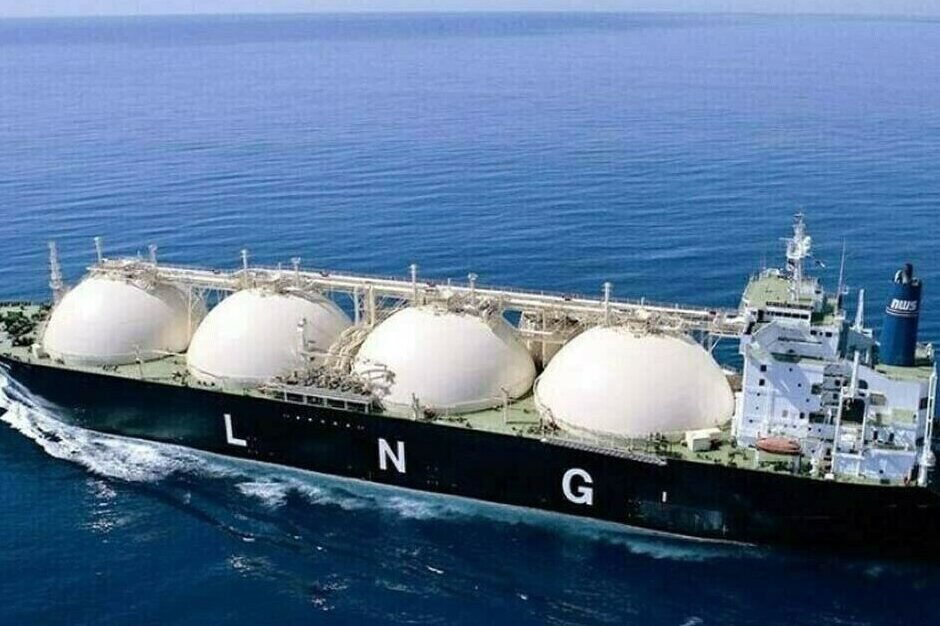
ISLAMABAD, Apr 23 — Pakistan has issued its first LNG spot tender since December 2023, seeking three cargoes to ease supply shortages and meet rising electricity demand as fuel disruptions linked to regional tensions continue to affect the energy sector.
State-run Pakistan LNG Limited invited bids for three liquefied natural gas (LNG) cargoes of around 140,000 cubic metres each, scheduled for delivery between April 27 and May 14 at Port Qasim, Karachi. The tender marks a return to spot market purchases after several months.
Power demand and supply pressure
Federal Minister for Energy Awais Leghari said the procurement aims to meet higher power demand and reduce reliance on more expensive fuels such as diesel and furnace oil.
The move follows recent power outages, as lower hydropower generation and disrupted LNG supplies exposed gaps in fuel availability during a period of increasing demand.
Disruptions to LNG supply
Pakistan has not received LNG cargoes loaded after late February, when regional tensions disrupted shipping through the Strait of Hormuz — a key global energy route. The situation has created uncertainty over supplies from Qatar, Pakistan’s main LNG provider.
Qatar accounted for most of Pakistan’s 6.64 million metric tons of LNG imports last year, making supply continuity through the route critical.
Alternative supply and market response
SOCAR has indicated it is ready to supply LNG to Pakistan under an existing framework agreement that allows faster procurement if required.
Pakistan had earlier cancelled 21 LNG cargoes scheduled for 2026–27 under a long-term agreement with Eni, citing expectations of lower demand growth and increased reliance on renewable energy, particularly solar power.
Global price impact
Disruptions to the Strait of Hormuz, which typically handles about 20% of global LNG flows, pushed Asian spot LNG prices to multi-year highs before easing slightly. Prices were last reported near $16 per million British thermal units, significantly higher than levels seen in February.
Analysts expect tight global supply and elevated prices to continue influencing LNG demand across Asia, with countries adjusting procurement strategies amid ongoing uncertainty.
Also read: Possible LNG shortage may affect power sector gas supply in April, Senate committee told