
WASHINGTON/DUBAI, May 12: Hopes for a broader Iran peace deal weakened on Tuesday after US President Donald Trump said the Iran ceasefire was “on life support,” following Tehran’s rejection of a US proposal aimed at ending the conflict.
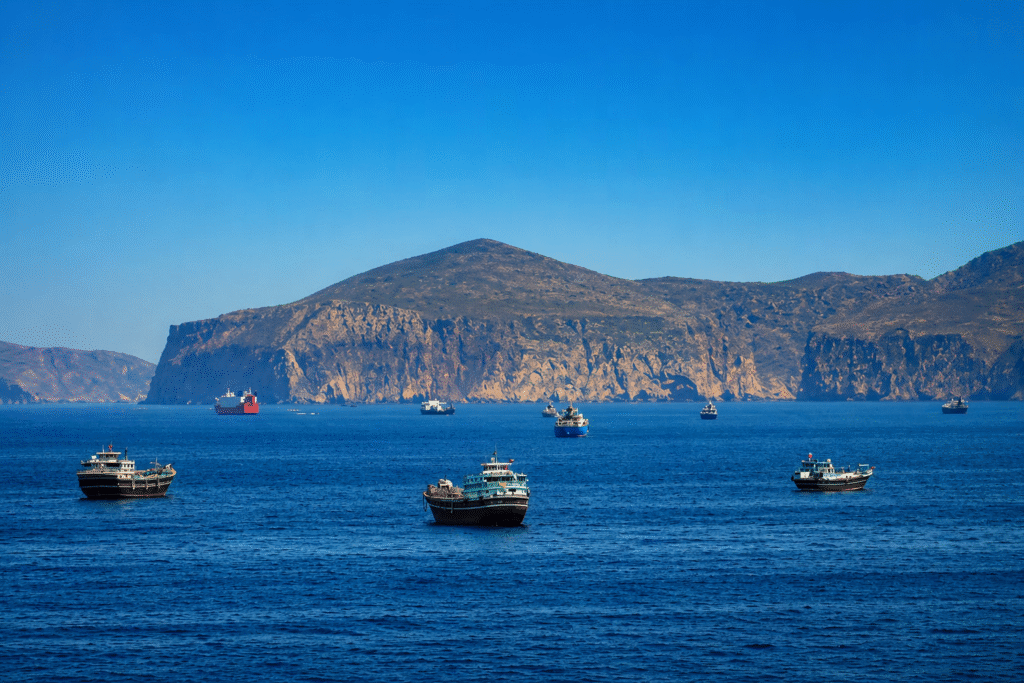
The latest developments have increased concerns over regional stability and global energy supplies, particularly as disruptions in the Strait of Hormuz continue to affect oil shipments and international markets.
According to Reuters, Iran rejected a US-backed proposal that sought an end to hostilities before negotiations on broader issues, including Tehran’s nuclear programme. Iranian officials instead called for conditions including an end to fighting across multiple fronts, compensation for war-related damage, and the lifting of restrictions affecting Iranian trade and maritime activity.
Speaking to reporters, Trump criticized Iran’s response and warned that the future of the ceasefire announced on April 7 remained uncertain.
Strait of Hormuz disruption raises oil market concerns
Oil prices continued to rise as shipping traffic through the Strait of Hormuz remained severely reduced. Brent crude futures climbed above $107 per barrel in early Asian trading amid fears of prolonged instability in the region.
Before the conflict began in February, the Strait of Hormuz handled nearly one-fifth of global oil and liquefied natural gas shipments, making it one of the world’s most important energy transit routes.
Shipping data reviewed by Reuters showed that only limited tanker movement has continued through the waterway in recent days, while some vessels reportedly switched off tracking systems because of security concerns.
Analysts say the reduced flow of exports has also affected global oil production levels. A Reuters survey found that OPEC output fell further in April, reaching its lowest level in more than two decades.
Iran and US continue pressure campaign
Iranian officials signaled they would continue resisting US pressure despite ongoing tensions.
Fars News Agency cited Mohammad Akbarzadeh, deputy political director of the Islamic Revolutionary Guard Corps Navy, as saying Iran had expanded its operational definition of the Strait of Hormuz under a new maritime strategy.
Separately, Iranian lawmaker Ebrahim Rezaei said Tehran could enrich uranium up to weapons-grade levels if attacked again.
The United States on Monday imposed new sanctions targeting individuals and companies accused of helping Iran export oil to China. Washington said the measures were part of efforts to restrict funding for Iran’s military and nuclear activities.
US Secretary of State Marco Rubio also held discussions with British and Australian officials regarding efforts to restore maritime navigation in the Strait of Hormuz.
Meanwhile, recent polling by Reuters/Ipsos suggested growing domestic concern in the United States over the conflict and rising fuel prices ahead of congressional elections.
Also read: Middle East truce under strain as US and Iran clash over Strait of Hormuz