
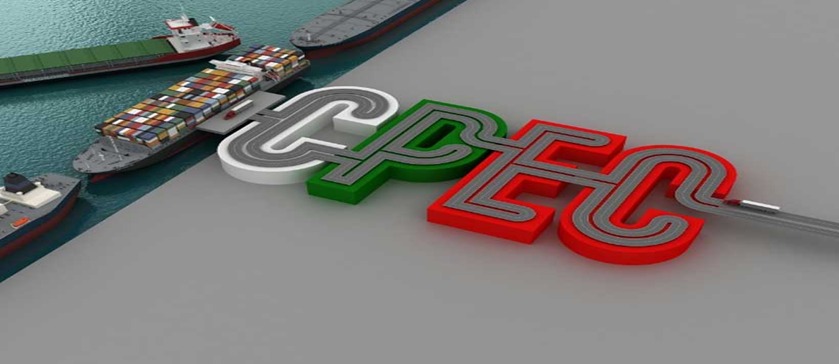
ISLAMABAD: Pakistan is accelerating work on CPEC Phase-II with a renewed focus on industrialisation, export growth, business-to-business investment and climate-resilient development, officials said during the Pakistan-China Industrialisation Dialogue.
The dialogue, hosted by the Pak-China Institute, brought together policymakers, diplomats, business leaders and development experts to discuss the next stage of Pakistan-China economic cooperation. The discussions focused on attracting Chinese industries to Pakistan, expanding exports, improving investment facilitation and strengthening industrial capacity.
Qaiser Ahmed Sheikh said Pakistan had made significant progress under the first phase of the China-Pakistan Economic Corridor, particularly in power generation and connectivity infrastructure. He said the next phase should focus on B2B engagement and the relocation of Chinese industries to Pakistan.
He highlighted incentives available in Special Economic Zones under CPEC, including tax exemptions and duty-free import of machinery. He also said regulatory reforms and the Asaan Karobar Act were aimed at reducing bureaucratic hurdles and improving the ease of doing business.
Climate resilience linked to industrial growth
Dr Shezra Mansab Ali, Minister of State for Climate Change, said climate resilience had become central to Pakistan’s industrialisation plans. She referred to Pakistan’s exposure to extreme weather events, including the 2022 floods that affected more than 33 million people.
She said investors require not only incentives but also energy security, resilient infrastructure and regulatory predictability. She added that Pakistan was advancing its climate commitments through the Climate Change Act 2017 and its Nationally Determined Contributions, which target a 50 percent reduction in projected emissions by 2035.
The minister also said Pakistan and China were working on climate cooperation, including plans for a joint task force and a forthcoming memorandum of understanding on climate policy implementation and green development.
Investment reforms and SEZ development
Mahmood Tufail, Director General of the Board of Investment, said the government was pursuing regulatory reforms to help position Pakistan as a manufacturing and services hub.
He said a Cabinet Committee on Regulatory Reforms had been established and more than 200 reform proposals had been approved, generating an estimated $1.3 billion in savings for businesses.
Tufail said 160 memorandums of understanding signed during earlier high-level engagements with China were at advanced stages of implementation. He also highlighted work on a Pakistan Business Portal and a centralised regulatory registry to give investors easier access to business requirements.
He said visa facilitation for Chinese investors had also been streamlined, with approvals being processed within hours.
Also read: Pakistan, China move ahead on CPEC Phase II, expand economic and tech cooperation