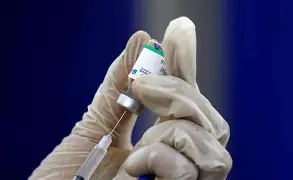
ISLAMABAD, May 21 (ABC): Pakistan’s livestock sector could see improved disease control and stronger export potential following a new Pakistan-China vaccine initiative focused on animal health and biotechnology cooperation. The agreement includes vaccine supply, technology transfer, and livestock traceability systems aimed at modernizing one of Pakistan’s largest agricultural sectors.The initiative comes as Pakistan seeks to improve animal health standards, expand meat exports, and strengthen compliance with international import requirements.
What is the Pakistan-China vaccine agreement?
The Sindh Livestock and Fisheries Department has signed a joint venture agreement with Luoyang Modern Biology Group for the supply of animal vaccines, including vaccines for foot-and-mouth disease (FMD).The agreement also covers technology transfer and the development of animal traceability systems. Traceability systems are used to track animals through identification records, vaccination history, and movement data.Experts say such systems are increasingly important for countries exporting meat and livestock products to international markets.
Foot-and-mouth disease is a highly contagious viral disease that affects cattle, buffalo, sheep, goats, and other livestock animals. Outbreaks can reduce productivity, affect meat and dairy production, and create restrictions on international trade.According to livestock experts, effective vaccination and disease monitoring are considered essential for improving export eligibility.Habib Bank Limited Zarai Services Pakistan Manager Dairy and Livestock Dr. Umair Nawaz said wider vaccination coverage and better disease management could help improve livestock health standards across Pakistan.He noted that unvaccinated animals entering supply chains from rural and village areas often create challenges for disease control and export certification.Dr. Nawaz said maintaining proper vaccine cold chain systems — temperature-controlled storage and transportation systems for vaccines — would also be important for improving effectiveness and supporting efforts toward FMD-free status.
How could the agreement affect livestock exports?
Industry experts say stronger disease control measures could help Pakistan improve access to international meat markets where importing countries require strict animal health standards.Ahmed Faraz, a livestock expert and farm manager, said global buyers increasingly demand disease-free and antibiotic-residue-free meat products.He said locally produced vaccines based on indigenous disease strains may improve effectiveness because imported vaccines do not always fully match local disease patterns.Experts also say traceability systems could support export certification processes by providing importing countries with records related to animal origin, treatment history, and disease monitoring.
How important is livestock to Pakistan’s economy?
According to the Pakistan Economic Survey 2024-25, the livestock sector contributed approximately 14.97 percent to Pakistan’s Gross Domestic Product and 63.6 percent to agricultural value addition.The sector supports more than eight million rural households and contributes nearly 2.9 percent to Pakistan’s exports through meat, live animals, and related products.Data from the Trade Development Authority of Pakistan shows Pakistan’s meat exports reached US$511 million during fiscal year 2023-24.
What happens next?
The effectiveness of the initiative will likely depend on vaccine availability, farmer awareness, cold chain infrastructure, veterinary support, and coordination between public institutions and private industry.Experts say wider vaccination coverage, improved monitoring systems, and stronger traceability standards could help Pakistan strengthen disease control efforts while supporting long-term growth in livestock exports.