
NANCHANG, China: China’s centuries-old porcelain industry is undergoing a transformation as younger consumers, new technologies and creative collaborations drive growth in the country’s renowned ceramic hub of Jingdezhen.
Known as China’s “porcelain city,” Jingdezhen is blending traditional craftsmanship with modern design, pop culture and advanced manufacturing techniques to attract a new generation of customers. Industry participants say the shift is creating fresh opportunities for artisans, businesses and tourism.
Local ceramic manufacturers have increasingly partnered with popular entertainment brands and intellectual properties to develop products tailored to younger consumers.
One such example is the growing popularity of ceramic blind boxes, collectible items that combine traditional porcelain craftsmanship with contemporary design trends. Companies in Jingdezhen say demand for products with cultural and emotional appeal has expanded significantly among Gen Z buyers.
Innovation drives new products
Manufacturers are also experimenting with a broader range of ceramic products beyond traditional tableware and decorative items.
According to industry representatives, businesses have introduced products such as ceramic speakers, decorative lighting and collectible figurines to meet changing consumer preferences.
The trend reflects a broader effort to position ceramics as part of modern lifestyles while preserving traditional production techniques.
3D printing expands possibilities
Technology is also reshaping the manufacturing process.
Several companies in Jingdezhen have adopted industrial-grade ceramic 3D printing systems capable of producing complex designs and customized products that are difficult to achieve through conventional methods.
Industry officials say the technology enables greater design flexibility, faster production and increased opportunities in international markets.
Some enterprises report strong overseas demand for 3D-printed porcelain products, particularly customized decorative pieces.
Tourism and creative industries fuel growth
The transformation of the ceramic sector has also contributed to Jingdezhen’s growing appeal as a cultural tourism destination.
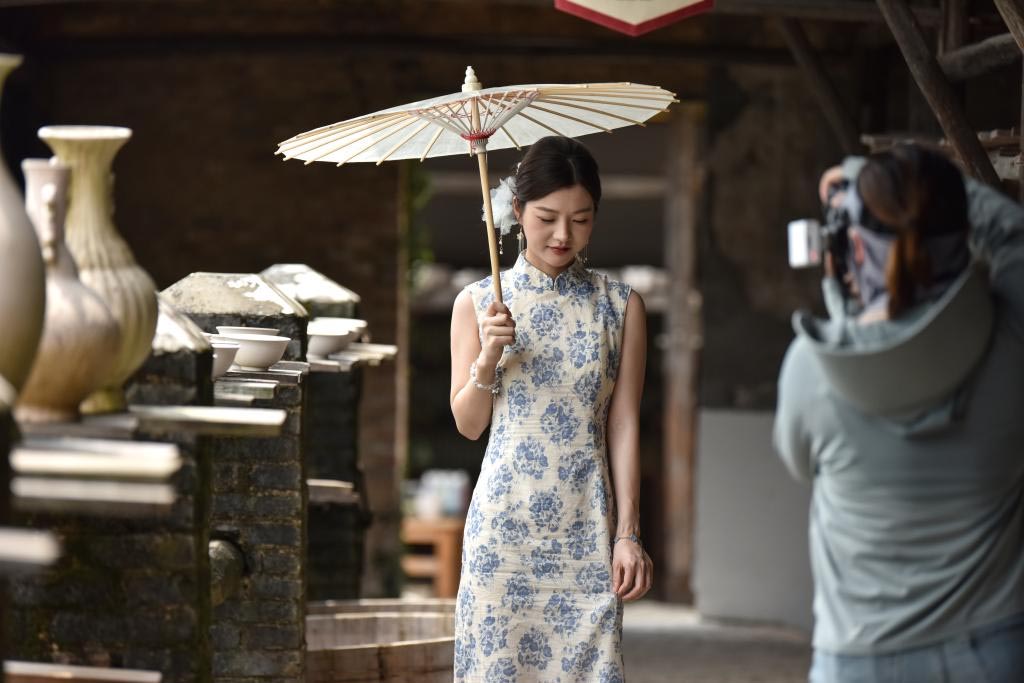
The Taoxichuan Cultural and Creative Block, developed on the site of a former porcelain factory, has become a major attraction featuring artist studios, workshops, exhibition spaces and creative businesses.
The district regularly hosts art markets and cultural events that attract visitors, entrepreneurs and artists from across China and abroad.
According to local statistics, the output value of Jingdezhen’s ceramic industry increased from 51.6 billion yuan in 2021 to 102.7 billion yuan in 2025. During the same period, the number of major ceramic enterprises nearly doubled.
Industry observers say the combination of cultural heritage, technological innovation and changing consumer preferences is helping reshape the future of one of China’s oldest industries.