
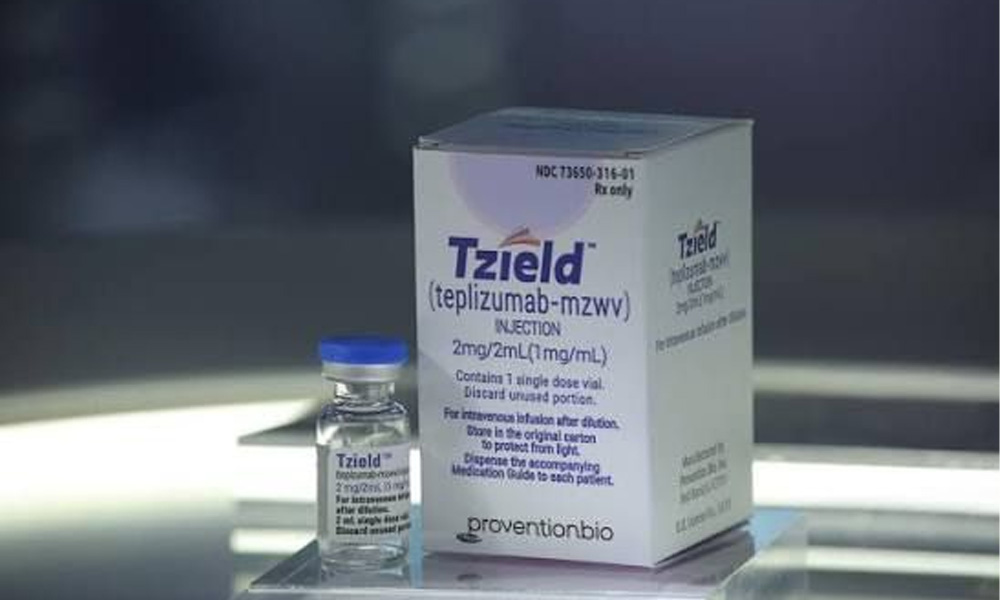
British health authorities have approved the use of the world’s first drug that can delay the onset of Type 1 diabetes in children, marking a significant development in the treatment of the condition.
The National Health Service (NHS) in the United Kingdom will now offer Teplizumab, following approval by the National Institute for Health and Care Excellence (NICE). The decision is expected to benefit children at high risk of developing Type 1 diabetes by slowing the progression of the disease.
Type 1 diabetes is an autoimmune condition in which the body’s immune system attacks insulin-producing cells in the pancreas, often appearing in childhood or adolescence and requiring lifelong insulin therapy.
The drug, developed by pharmaceutical company Sanofi under the name Tzield, does not cure the disease but can delay its onset by up to three years. It is intended for children aged eight and above who have been diagnosed in the early, pre-symptomatic stage of the condition.
Health experts say the treatment could allow patients to live normal lives for longer before the full onset of diabetes, potentially reducing the immediate burden of lifelong insulin dependency.
Teplizumab is administered via a 14-day intravenous infusion course and works by modifying the immune response to slow the attack on pancreatic cells.
Also Read :Pakistani Skin Cancer Surgeon Develops AI Chatbot for Skin Diseases