
LONDON, A new study suggests that consuming soy products and legumes may help reduce the risk of developing high blood pressure, adding to growing evidence supporting the health benefits of plant-based foods.
The research, based on an analysis of 12 separate studies, found a potential association between higher consumption of soy and legumes and a lower likelihood of hypertension. Researchers said the findings could contribute to dietary strategies aimed at improving cardiovascular health.
Published this month in BMJ Nutrition, Prevention & Health, the study was conducted by Plant-Based Health Professionals UK with support from Dr. Dagfinn Aune of Imperial College London.
Analysis included thousands of participants
The review examined data from 12 studies involving participant groups ranging from 1,152 to 88,475 individuals.
Researchers analyzed whether consumption of legumes and soy products was linked to the risk of developing high blood pressure, a major contributor to cardiovascular disease worldwide.
The findings indicated that individuals who consumed higher amounts of these foods generally had a lower risk of hypertension compared with those who consumed less.
Findings support plant-based dietary choices
According to the researchers, the results strengthen existing evidence that legumes and soy products can play a beneficial role in a healthy diet.
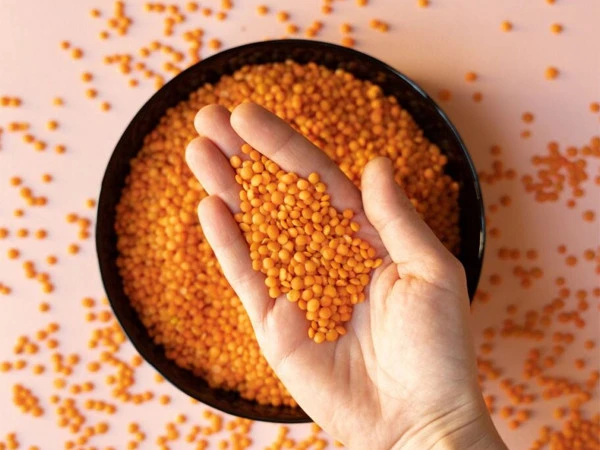
Legumes include foods such as lentils, beans, chickpeas and peas, which are widely recognized for their nutritional value and high content of plant protein and fiber.
While the study identified an association rather than direct causation, researchers said the findings support recommendations encouraging greater consumption of plant-based foods as part of a balanced diet.
Further research may help clarify the mechanisms through which soy and legumes contribute to cardiovascular health and blood pressure management.
Also
Study links high consumption of ultra-processed foods to increased dementia risk