
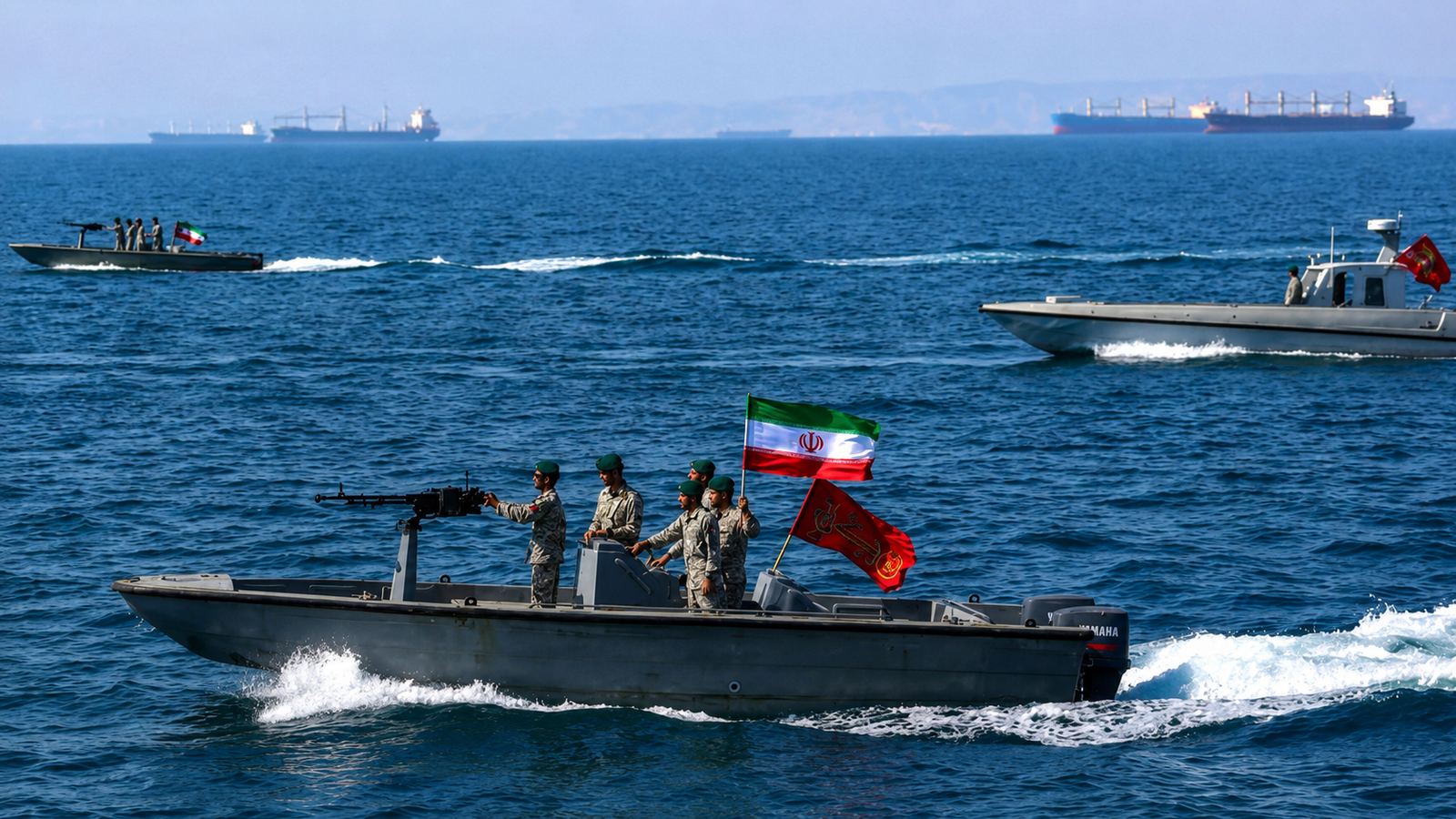
DUBAI: Commercial shipping through the Strait of Hormuz has fallen to its lowest daily level in five weeks amid escalating tensions between the United States and Iran, while Tehran says fresh American strikes have undermined months of diplomatic efforts.
Only six vessels passed through the strategically important waterway on Sunday, according to ship-tracking data from Kpler cited by Reuters. The figure marked the lowest daily movement recorded through the strait during the past five weeks.
The sharp decline followed growing security concerns and reported attacks on commercial vessels in the region, prompting shipping companies and tanker operators to adopt greater caution.
According to the tracking data, two fully loaded oil tankers left the strait carrying approximately two million barrels of Iranian crude oil and around 500,000 barrels of Kuwaiti petroleum products.
Three empty oil tankers entered the Gulf to load crude oil and other energy products.
Several vessels reportedly switched off their transponders temporarily while passing through the Strait of Hormuz, limiting the ability of tracking services to monitor their movements. Shipping operators sometimes restrict identification signals in high-risk areas because of security concerns.
The Strait of Hormuz is one of the world’s most important energy corridors, connecting Gulf oil producers with international markets. Any prolonged disruption can affect global crude supplies, freight costs, supply chains and oil prices.
The decline in vessel traffic came as Iran strongly condemned a new round of US military action against targets on its territory.
In a statement, Iran’s Foreign Ministry said the latest American strikes had rendered months of diplomatic engagement “meaningless” and damaged efforts aimed at reducing regional tensions.
Tehran described the attacks as a violation of the United Nations Charter, international law and the principle of state sovereignty. It warned that continued military escalation could threaten regional and international peace.
The statement followed an announcement by the US Central Command that American forces had carried out another phase of attacks against Iranian military targets.
The US military said the operations were intended to further weaken Iran’s ability to target commercial vessels operating near the Strait of Hormuz.
Iran rejected the American justification and accused Washington of sabotaging diplomatic efforts undertaken over recent months to prevent further conflict in West Asia.
The Iranian Foreign Ministry also said US military involvement had interfered with measures introduced by Tehran to manage security around the Strait of Hormuz.
According to Iran, the intervention has increased instability in the waterway and created new risks for international commercial shipping.
The opposing claims come amid fears that continued US-Iran military confrontation could further reduce tanker movements through the strait.
A sustained fall in shipping traffic would carry significant consequences for global energy markets because a substantial share of internationally traded oil and petroleum products passes through the route.
Energy traders and shipping companies are closely monitoring vessel movements, security warnings and any signs of further disruption.
Analysts say the immediate market impact will depend on whether the decline in traffic proves temporary or develops into a longer interruption affecting oil exports from Gulf producers.
The latest developments also raise concerns over the future of diplomatic engagement between Washington and Tehran, with military escalation increasingly overshadowing efforts to prevent a wider regional conflict.
Also Read: Iran Says Strait of Hormuz Shipping Decisions Must Be Made With Oman