ISLAMABAD, May 18 (ABC): Punjab authorities have intensified inspections and repair work on flood protection infrastructure ahead of the 2026 monsoon season, as part of a broader flood prevention drive aimed at reducing the risk of damage from heavy rains and river flooding. The effort comes after severe last year affected millions of people across the province and caused widespread displacement.Officials say inspections are underway on embankments, spurs, canal headworks, and other irrigation structures located along major rivers, including the Ravi, Chenab, and Sutlej.
What is Punjab’s flood prevention drive?
The Punjab Irrigation Department has launched pre-monsoon inspections across the province to assess the condition of protection infrastructure. Designated inspection teams, supported by allied departments and law enforcement agencies, are reviewing structures that help control river flow and protect nearby communities from flooding.According to Dr. Ghulam Zakir Hassan Sial, Director of the Irrigation Research Institute (IRI) Punjab, damaged or weakened structures are being repaired and reinforced based on the teams’ findings.The inspections are part of an ongoing structural audit of embankments and spurs along Punjab’s river systems. Spurs are structures built along riverbanks to direct water flow and reduce erosion, while embankments help prevent waters from overflowing into populated areas.
Why does it matter?
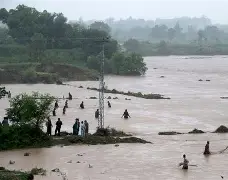
Punjab experienced severe flooding during the 2025 monsoon season, particularly in August and September, when heavy rainfall and upstream water releases from India caused rivers to overflow.The flooding affected more than 3.9 million people across 28 districts. Thousands of villages were submerged, mass evacuations were carried out, and 48 deaths were reported. Officials described it as one of the province’s most significant flood events in decades.Authorities say strengthening irrigation and protection infrastructure before the monsoon season begins in mid-June could help reduce the risk of similar damage this year.
What role did water management projects play?
During last year’s floods, the Irrigation Research Institute implemented a Managed Aquifer Recharge (MAR) initiative at Islam Headworks on the Sutlej River.According to Dr. Sial, approximately 12,000 acre-feet of floodwater was diverted through the Old Mailsi Canal for groundwater recharge. The project included the construction of 144 recharge wells within the canal bed.Managed Aquifer Recharge involves directing excess surface water underground to replenish depleted groundwater reserves. Officials said the project helped utilize floodwater while reducing pressure on surrounding areas.
What is happening along the Ravi River in Lahore?
The Ravi Urban Development Authority (RUDA) is accelerating construction of embankments along both sides of the Ravi River to reduce flood risks for Lahore and nearby housing societies.RUDA spokesperson Sher Afzal Butt said the project includes 46 kilometers of embankments extending from Ravi Syphon to Jhok Forests.Under the plan, the riverbed will also be widened to at least one kilometer to improve water flow during periods of high . Officials say the work is intended to prevent a repeat of the Lahore experienced last year, which was linked to heavy monsoon rainfall and upstream water releases.
What happens next?
The Punjab government is also preparing an integrated flood management plan for the upcoming monsoon season. The plan combines input from multiple departments responsible for irrigation, disaster response, and public safety.The Provincial Disaster Management Authority (PDMA) Punjab said preparations for relief and rescue operations are also underway in case flooding occurs during the monsoon months.Officials have not announced a timeline for completing all infrastructure work, but inspections and reinforcement activities are continuing ahead of the start of the rainy season.