
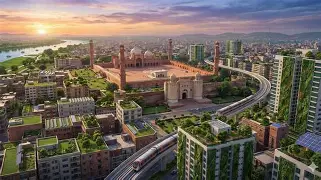
ISLAMABAD, May 06 (ABC): Pakistan plans to climate-proof 75% of its major infrastructure by 2040, as part of a broader strategy to reduce vulnerability to floods, heatwaves, and other -related risks. The initiative reflects growing concern over repeated disasters that have damaged roads, bridges, and economic systems in recent years.
Contents
What is the plan?
According to Wealth Pakistan,an official policy document, Pakistan aims to strengthen key infrastructure systems and make them more resilient to impacts. This includes upgrading 70% of critical assets in high-risk areas such as floodplains and heat-affected districts.The plan also outlines the development of 25 “Resilient Growth Zones” by 2030. These zones are expected to support economic activity while incorporating climate-adaptive design and planning.A central feature of the strategy is the integration of climate risk assessments into all public infrastructure decisions at the provincial level by 2027. This means new projects would be required to evaluate potential climate risks and include the cost of adaptation measures before approval.Why does it matter?
Pakistan is among the countries most exposed to -related disasters. Flooding, extreme heat, and erratic weather patterns have increasingly disrupted infrastructure and economic activity.The document highlights that much of the country’s infrastructure was built without comprehensive climate risk assessments. As a result, many assets are vulnerable to extreme weather events.Investing in climate-resilient infrastructure isintended to reduce long-term costs. Preventive upgrades are often less expensive than rebuilding after disasters, and they can help maintain economic stability.Which sectors are affected?
The strategy identifies several priority areas for climate-proofing:- National highways and major transport corridors
- River basins and water management systems
- Energy transmission networks
- Ports and logistics infrastructure
- Routes linked to the China-Pakistan Economic Corridor (CPEC)
What approaches will be used?
The plan emphasizes a mix of engineering and nature-based solutions. These include:- Climate-resilient construction standards
- Early warning systems for disasters
- “Sponge city” designs that improve urban drainage
- Integrated watershed management
- Nature-based drainage systems