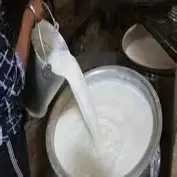
ISLAMABAD, May 04 (ABC): Pakistan milk production has increased by more than 80% over the past 20 years, reflecting sustained growth in the country’s livestock sector and its expanding role in food supply and rural livelihoods.
What is happening?
Telling
Wealth Pakistan,Official data shows that national milk output rose from 31.97 million tonnes in 2005–06 to 58.3 million tonnes in 2024–25, an increase of about 82.3%.The growth has been gradual and consistent. Production crossed 40 million tonnes in 2013–14 and exceeded 50 million tonnes in 2020–21. It has continued to rise each year since, reaching its highest level in the latest fiscal period.
Why has milk production increased?
Sector assessments attribute the rise to several factors, including improved livestock management practices, better availability of animal feed, expanded veterinary services, and growing demand for dairy products.Both urban and rural consumption of milk and dairy items has increased, supporting higher production levels across the country.
Why does it matter?
Milk is a staple food in Pakistan and a key source of nutrition. The dairy sector also plays a central role in the rural economy, providing income and employment to millions of households.According to industry estimates, between 8 and 10 million dairy farms operate in the country. Around 50 to 60 million people are directly or indirectly linked to dairy farming, while about 8 million rural families depend on livestock for their livelihoods.Livestock contributes roughly 35% to 40% of income for rural households engaged in the sector, making it a major component of economic activity outside urban areas.
What has changed in livestock numbers?
Growth in milk production is closely linked to an increase in the population of milk-producing animals.Data from the 7th Agricultural Census shows that cattle numbers rose from 29.56 million in 2006 to 55.86 million in 2024. Buffaloes increased from 27.33 million to 47.74 million over the same period.Other livestock categories also expanded. Goat numbers grew to 95.83 million from 53.79 million, while sheep populations rose to 44.59 million from 26.49 million.This expansion indicates broader participation in livestock farming and increased production capacity.
Which regions contribute most?
Punjab remains the largest contributor to milk production, with the highest populations of cattle and buffaloes. Sindh and Khyber Pakhtunkhwa also play significant roles, particularly in mixed livestock farming systems.Balochistan has the largest sheep population and a strong presence of goats and camels, reflecting its focus on livestock suited to arid conditions.
What is the broader outlook?
Pakistan is already among the leading milk-producing countries globally, and output is approaching the 60-million-tonne mark.The sector is seen as having further potential in areas such as milk processing, storage, and value-added dairy products. Expansion in these areas could influence future growth in both domestic supply and export opportunities.