
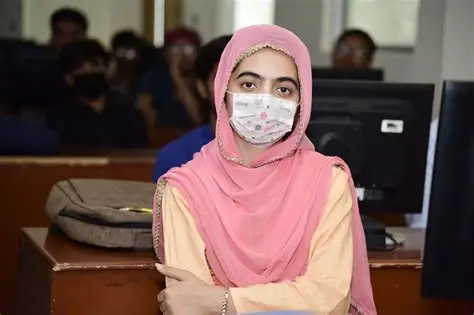
ISLAMABAD, Apr 23 — More than 67,000 young people in Pakistan have completed training under the Prime Minister’s Youth Skill Development Programme in 2024–25, according to official data, highlighting a nationwide push to expand vocational and digital skills and improve job readiness.
The government says the initiative targets unemployment and skills gaps by equipping youth with market-relevant training for jobs and self-employment, with participation recorded across all provinces and regions.
Completion data and programme scale
A total of 75,753 candidates enrolled in the programme, with 67,304 completing their training. Authorities allocated 77,216 seats overall, indicating strong uptake and completion across training centres.
The programme delivers technical, vocational, and digital training designed to align workforce skills with current labour market needs, particularly for young entrants to the job market.
Provincial distribution of trainees
Official figures show participation across Pakistan, led by Punjab:
- Punjab: 37,705 seats, 36,995 enrolments, 33,973 completions
- Sindh: 11,795 seats, 11,299 enrolments, 10,114 completions
- Khyber Pakhtunkhwa: 7,969 seats, 7,806 enrolments, 6,891 completions
- Balochistan: 6,252 seats, 6,219 enrolments, 5,978 completions
- Islamabad Capital Territory: 13,495 seats, 13,434 enrolments, 10,348 completions
The distribution reflects broader population patterns while maintaining nationwide access.
Digital skills and inclusion initiatives
In parallel, the National Vocational and Technical Training Commission launched “Summer of Code 2025,” a digital training initiative focused on coding and technology skills. A total of 6,545 trainees participated nationwide, with the largest share from Punjab.
Targeted programmes such as “She Fixes” aim to increase women’s participation in technical and vocational fields, supporting more inclusive access to skills development.
Why it matters
Skills training initiatives are seen as a key tool to bridge the gap between education and employment in Pakistan. By focusing on practical and digital skills, the programme supports workforce readiness, economic participation, and access to emerging job markets, including remote and global opportunities.
Next phase
Officials indicate that future phases will expand enrolment capacity and deepen focus on digital skills, industry alignment, and inclusion, as part of a broader strategy to strengthen human capital development.
Also read: Virtual University successfully conducts nationwide IT skills test for over 40,000 students