
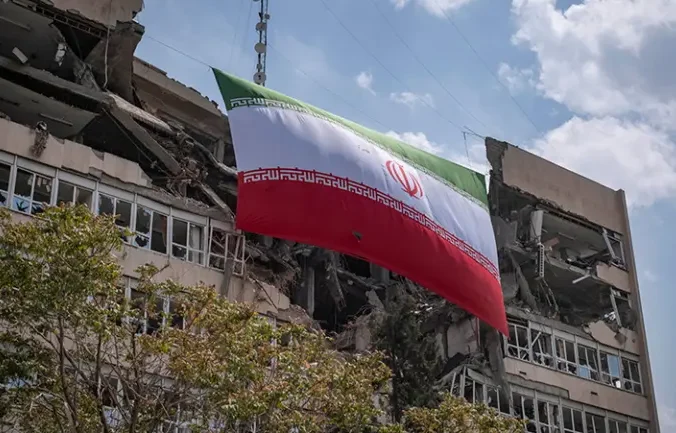
LONDON — Two months into the Iran war, economic pressures are intensifying across emerging markets, with countries including Pakistan facing rising inflation, fragile reserves and growing fiscal strain as energy and trade disruptions deepen.
The conflict has disrupted flows through the Strait of Hormuz, a key route for global oil and gas shipments, pushing up import costs for energy-dependent economies. For Pakistan, where foreign exchange reserves cover less than three months of imports, the shock adds to existing financial vulnerabilities.
The International Monetary Fund has lowered growth forecasts for emerging economies to 3.9%, warning that higher energy prices and tighter financial conditions are spreading beyond the Middle East.
Qatar has already recorded a $1.2 billion trade deficit after exports dropped sharply due to disruptions in the Gulf. Economists at JPMorgan expect Qatar’s economy to contract further this year.
Inflation pressures and policy tightening
Rising energy costs are feeding inflation across emerging markets, limiting central banks’ ability to ease monetary policy. Several countries have already shifted towards tighter interest rate policies to contain price increases.
Analysts warn that sustained energy shocks could trigger broader inflation through higher transport and wage costs, prolonging economic stress.
Fiscal risks increase
Governments are under pressure to cushion households through subsidies and tax relief, but these measures are straining public finances.
The IMF estimates global fossil fuel subsidies reached $725 billion in 2024, with emerging economies carrying a significant share of the burden.
Vulnerable economies under strain
Countries with existing financial challenges are particularly exposed. In addition to Pakistan, economies such as Egypt and Sri Lanka are facing rising costs, currency pressures and debt repayment risks.
Broader global impact
In sub-Saharan Africa, countries dependent on imported fuel are experiencing increasing fiscal pressure as oil prices remain elevated.
IMF Managing Director Kristalina Georgieva said the situation represents a global supply shock and warned that additional financial support may be required for vulnerable economies.
Also read: Strait of Hormuz tensions raise concerns over Pakistan’s import costs