
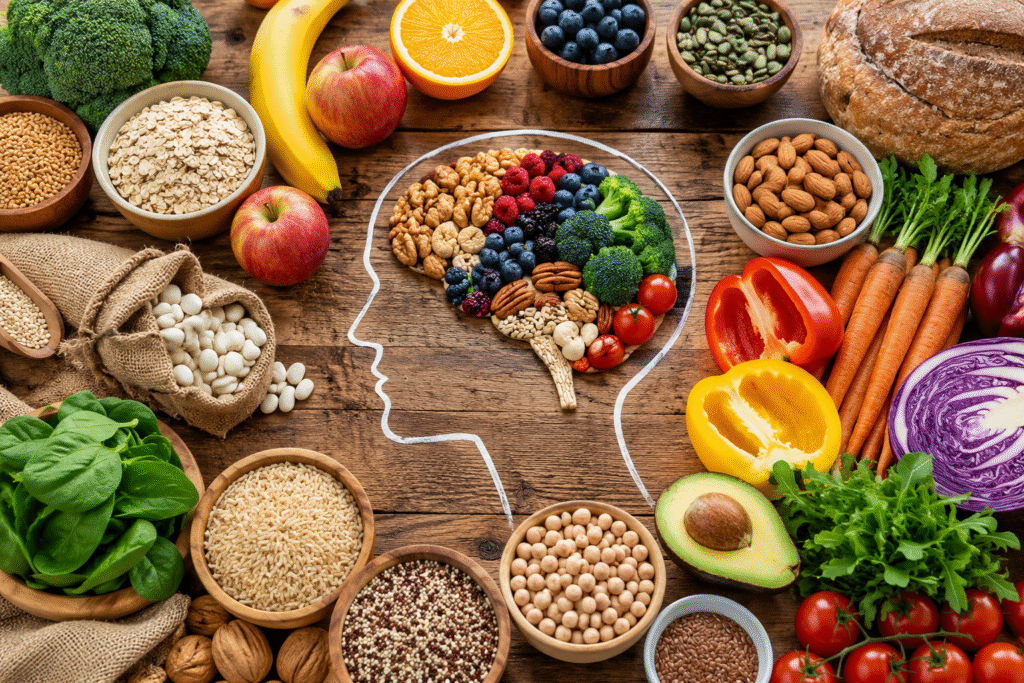
A diet rich in fibre may help improve overall health, support brain function and reduce the risk of chronic diseases, according to researchers studying the connection between nutrition, the gut microbiome and cognitive health.
Wholegrains, fruits, pulses, nuts and seeds are among the main sources of dietary fibre, which experts say can support digestion, regulate blood sugar levels and improve long-term health outcomes.
Researchers are also examining how fibre affects the gut-brain axis — the communication system between the gut and the brain — with emerging evidence suggesting it may help slow cognitive decline.
Fibre intake remains low in many countries
Karen Scott said increasing fibre intake could be one of the most effective dietary changes for supporting cognitive health.
Despite its benefits, studies show many people do not consume enough fibre. In the United States, most adults consume less than half of the recommended daily amount, while more than 90% of adults in the United Kingdom also fall short of dietary targets.
According to John Cummings, fibre should be considered an essential nutrient due to its role in reducing the risk of heart disease, stroke, type 2 diabetes and colon cancer.
Fibre supports digestion and gut health
Unlike other carbohydrates, fibre is not fully broken down by digestive enzymes and passes largely unchanged through the digestive system. Experts say this helps improve digestion, increase stool bulk and support healthy gut bacteria.
High-fibre foods can also help people feel full for longer and contribute to a slower rise in blood sugar levels after meals.
Researchers recommend consuming around 25 to 30 grams of fibre daily through foods such as vegetables, fruits, beans, wholegrains, nuts and seeds.