
PESHAWAR: A Pakistan-United Kingdom research project has found a high prevalence of depression among tuberculosis (TB) patients in Pakistan, highlighting the need for mental health support as part of routine TB treatment.
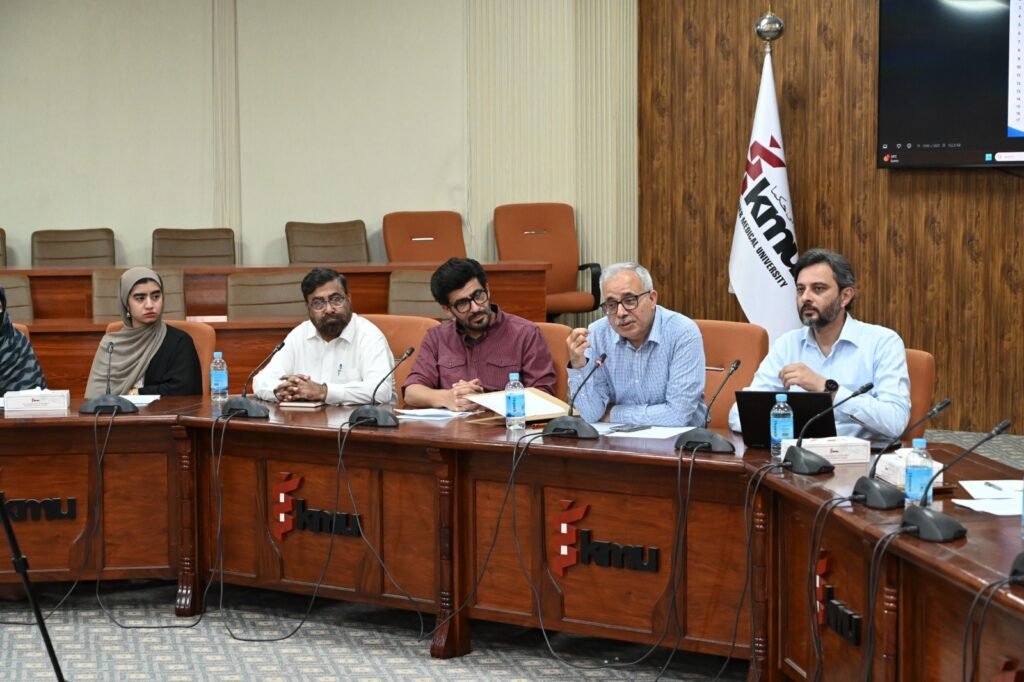
The findings were presented during a media briefing at Khyber Medical University (KMU) in Peshawar, where researchers shared preliminary results from the CONTROL Program, a collaborative initiative between Keele University in the United Kingdom and KMU.
Prof. Dr. Saeed Farooq, a psychiatrist at Keele University and chief investigator of the project, said the study identified significant mental health challenges among many TB patients enrolled in the research.
According to the preliminary findings, 570 of the 1,200 patients registered under the project were found to have notable mental health problems. Researchers reported that around 66 percent of those affected were experiencing moderate to severe depression.
Research focuses on mental health and TB treatment
The project, titled Cognitive Therapy for Depression in Tuberculosis Treatment to Improve Outcomes for Depression and TB in Pakistan and Afghanistan (CONTROL), is funded by the United Kingdom’s National Institute for Health and Care Research (NIHR).
Researchers said the program is examining whether integrating culturally adapted Cognitive Behavioural Therapy (CBT) into routine TB care can improve treatment outcomes and patient well-being.
They noted that TB patients often face depression, anxiety, social stigma, isolation and financial difficulties, factors that can affect treatment adherence and recovery.
Multi-city trial underway
The ongoing multi-city clinical trial is evaluating both the effectiveness and cost-effectiveness of providing psychological support alongside conventional tuberculosis treatment.
The program also includes community engagement initiatives, policy development efforts and activities aimed at strengthening health research capacity.
Officials said the findings could help inform future health policies and support the integration of mental health services into national and provincial tuberculosis control programs.
The media briefing was attended by KMU officials, including ORIC Director Dr. Zohaib Khan, Additional Director ORIC Dr. Zeeshan Kibriya and Additional Director Media Dr. Alamgir Afridi.
Researchers said the project aims to improve treatment outcomes and quality of life for people living with tuberculosis in Pakistan.
Also Read: Report warns social media may pose serious health risks for young people