
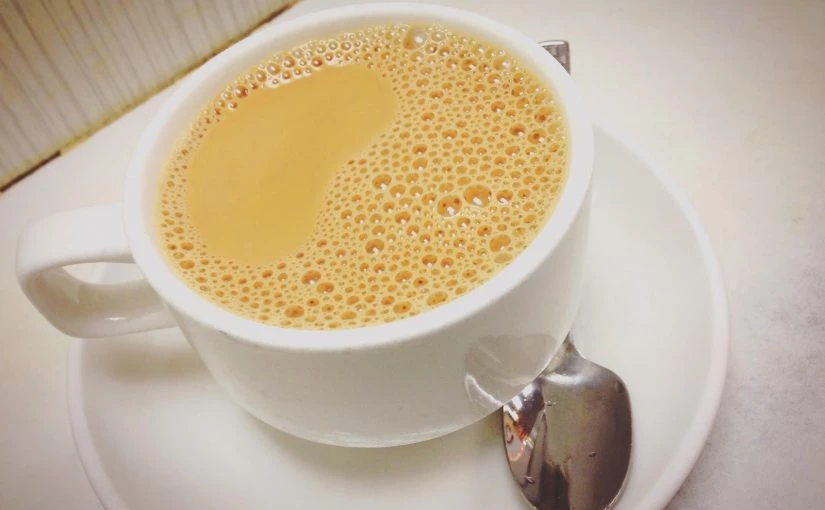
Milk tea, commonly known as “doodh patti,” is a staple beverage across South Asia and an important part of daily life and hospitality. However, nutrition experts are warning that excessive consumption may have negative effects on health, particularly when prepared with large amounts of sugar, milk, and caffeine.
According to nutrition specialists, the health impact of tea depends largely on how it is prepared, the ingredients used, and the type of tea leaves selected. While moderate tea consumption can provide energy and refreshment, regularly drinking excessive amounts may increase the risk of several health concerns.
Experts recommend limiting tea intake to three or four cups per day. They note that heavily brewed tea combined with high levels of milk and sugar may contribute to digestive discomfort and other health issues.
High sugar and caffeine intake can pose risks
Nutritionists warn that the high sugar content often added to milk tea can raise blood sugar levels, particularly among individuals who are already at risk of diabetes or metabolic disorders.
Strongly brewed tea may also lead to indigestion, bloating, and gas in some individuals. People with lactose intolerance or sensitive digestive systems may experience additional discomfort when consuming milk-based tea.
Healthier alternatives and preparation methods
Experts suggest opting for black tea, green tea, or lightly brewed tea as healthier alternatives. Adding natural ingredients such as ginger, cardamom, cinnamon, cloves, or fennel can enhance flavor while also supporting digestion.
They also advise avoiding tea and other caffeinated beverages for three to four hours before bedtime, as caffeine may interfere with sleep quality. Drinking milk tea immediately after dinner is also discouraged.
Smoking with tea increases health risks
Health professionals caution against smoking while drinking tea, describing the combination as particularly harmful. They say it may contribute to dehydration and increase negative health effects.
Green tea and matcha can be beneficial when consumed with plain hot water, experts note. However, adding excessive sugar, cream, or milk may reduce some of their potential health benefits.
Nutritionists emphasize that there is no need to eliminate tea entirely from the diet. Instead, they recommend drinking smaller portions in moderation and increasing daily water intake as part of a balanced and healthy lifestyle.
Also Read :
Health experts warn against excessive meat consumption during hot weather