
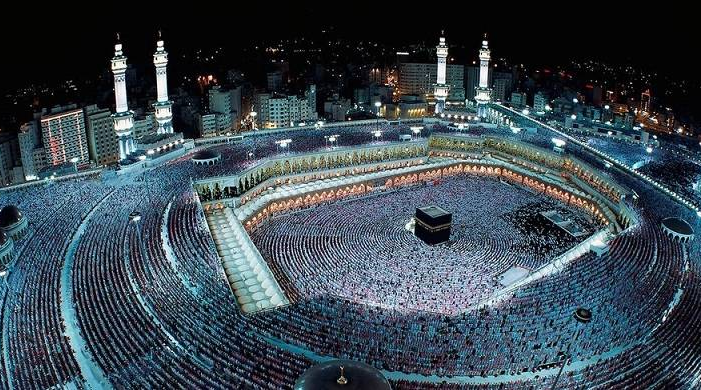
ISLAMABAD, April 2026: As Hajj 2026 approaches, pilgrims preparing for the journey to Makkah must understand the three types of Hajj — Tamattu, Ifrad and Qiran — as each follows a different method of performing the pilgrimage. Selecting the correct type is essential for planning rituals, timing and obligations such as sacrifice.
All three types share the same core rites of Hajj but differ in how Umrah is combined with Hajj and how long a pilgrim remains in the state of Ihram.
Hajj Tamattu (most widely performed)
Hajj Tamattu involves performing Umrah first, exiting Ihram and then re-entering Ihram for Hajj.
This method provides a break between Umrah and Hajj and requires an animal sacrifice. It is the most commonly chosen option for international pilgrims due to its relative ease.
Hajj Ifrad (Hajj only)
Hajj Ifrad is performed when a pilgrim intends to perform only Hajj without Umrah.
In this case, the pilgrim remains focused on Hajj rituals alone and is not required to perform an animal sacrifice.
Hajj Qiran (combined in one Ihram)
Hajj Qiran involves performing both Umrah and Hajj in a single state of Ihram without exiting it in between.
Pilgrims remain in Ihram for a longer duration and must perform an animal sacrifice. This option requires greater endurance due to extended restrictions.
Key differences at a glance
Tamattu: Umrah + break + Hajj (sacrifice required)
Ifrad: Hajj only (no sacrifice required)
Qiran: Umrah + Hajj together (sacrifice required)
Which type is suitable for pilgrims?
Most pilgrims travelling from outside Saudi Arabia choose Hajj Tamattu due to its flexibility. However, the choice depends on individual plans, travel arrangements and guidance from relevant authorities.
Why understanding the types of Hajj matters
Knowing the differences between Tamattu, Ifrad and Qiran helps pilgrims avoid confusion during rituals and ensures that obligations are fulfilled correctly according to their intention.
Read next in Hajj Guide 2026
Step-by-step Hajj guide for first-time pilgrims