
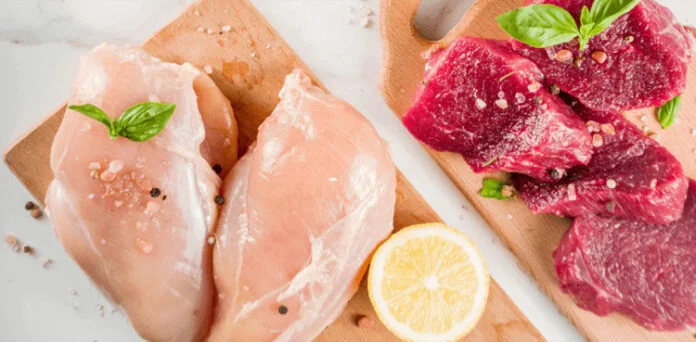
Chicken and mutton are rich sources of protein, vitamins and essential minerals, but health experts say they should be consumed with extra care during the monsoon season when the risk of foodborne illnesses and digestive infections is higher.
Nutrition experts advise choosing fresh, hygienically handled meat and ensuring it is cooked thoroughly. Proper food handling and storage can significantly reduce the risk of bacterial contamination, especially during periods of high humidity.
Why Proper Cooking Matters
According to nutritionist Dr. Renuka Mainde, fresh, high-quality meat should always be used during the rainy season. Undercooked meat or meat left unrefrigerated for extended periods can encourage bacterial growth, increasing the risk of stomach and intestinal infections.
Experts also recommend avoiding cross-contamination by using clean utensils and storing raw meat separately from cooked foods.
Health Benefits And Considerations
Chicken is considered a lean source of high-quality protein and generally contains less saturated fat than mutton, making it easier to digest for many people. However, experts note that people who experience acidity or heat-related digestive discomfort may benefit from eating it in moderation. They also advise limiting consumption of chicken skin, particularly for individuals with high cholesterol or heart disease.
Mutton provides important nutrients such as iron, zinc and vitamin B12, which support red blood cell production, immunity and nerve function. However, it also contains higher levels of saturated fat and calories than chicken.
Which Meat Is The Better Choice?
Nutrition experts say neither chicken nor mutton is universally better. The healthier choice depends on a person’s age, medical condition and nutritional needs.
People looking for a lower-fat, high-protein option may prefer chicken, while those with iron or vitamin B12 deficiency may benefit from moderate portions of mutton under appropriate dietary guidance.
Regardless of the choice, experts recommend eating meat in moderation, ensuring it is properly cooked, and maintaining good food hygiene to reduce the risk of foodborne illness.
Also Read : New Study Finds Intermittent Fasting Matches Traditional Diets for Weight Loss