
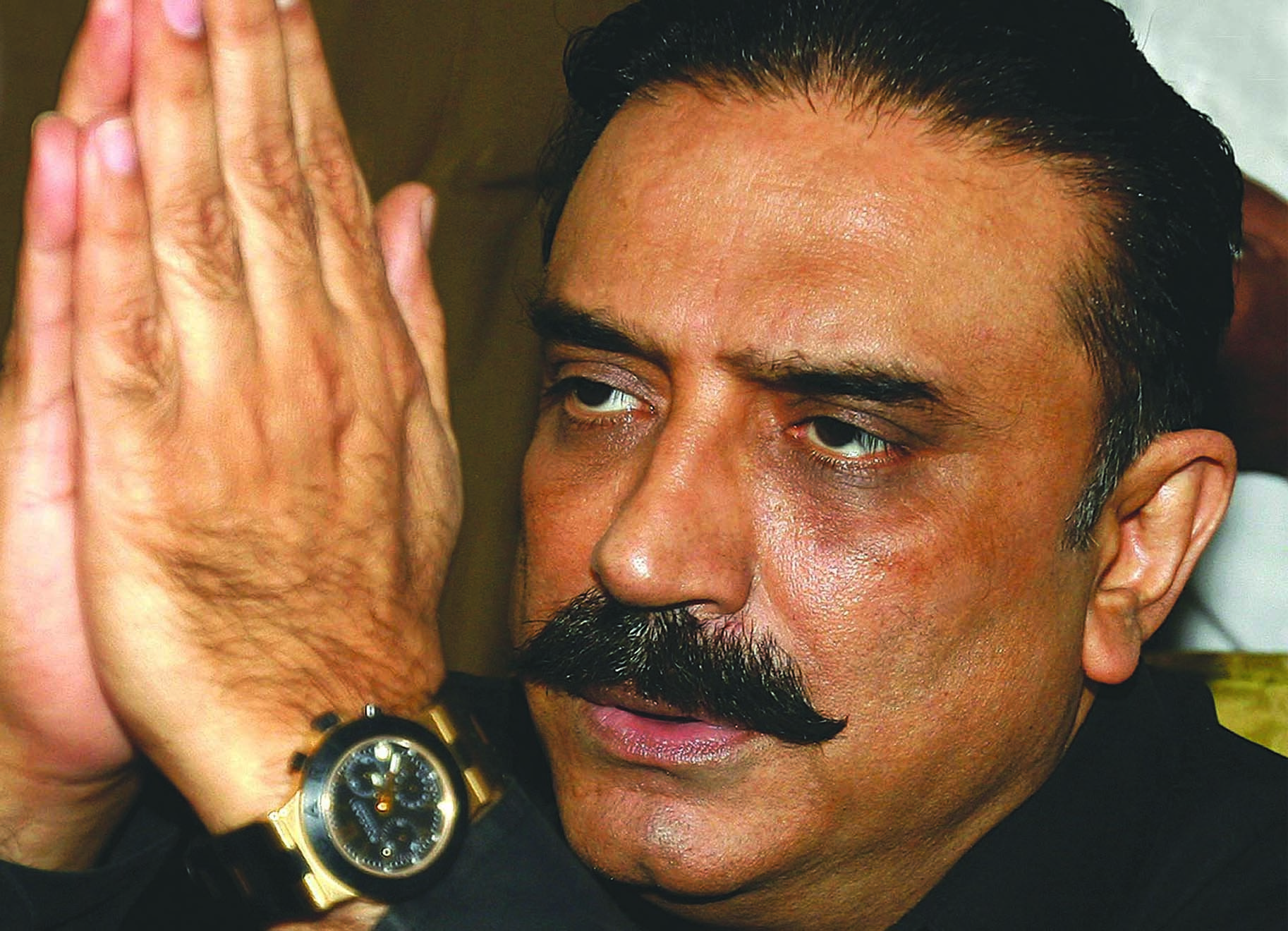
Asif Ali Zardari is among the most influential and debated figures in Pakistan’s recent political history. Once known largely as Benazir Bhutto’s husband, he went on to become a central player in the Pakistan People’s Party and, eventually, a two-time president of the country. His career has moved through tragedy, imprisonment, power, controversy and comeback. To his supporters, Zardari is a patient negotiator who helped steer Pakistan through a difficult democratic transition. To his critics, he represents the politics of deals, dynastic influence and unresolved questions over governance and accountability.
Quick Profile
Full Name: Asif Ali Zardari
Political Party: Pakistan People’s Party / Pakistan People’s Party Parliamentarians
Current Status: President of Pakistan
Main Role: 14th President of Pakistan
Political Base: Sindh
Born: July 26, 1955
Family: Widower of Benazir Bhutto; father of Bilawal, Bakhtawar and Aseefa
Major Offices Held: President of Pakistan, MNA, Senator, Federal Minister
Known For: Coalition politics, PPP leadership and the 18th Amendment
Major Criticism: Corruption allegations and governance record
Current Relevance: Second presidential term and influence in coalition politics
Born on July 26, 1955, Asif Ali Zardari comes from a Baloch family settled in Sindh. He received his early education at Karachi Grammar School and later studied at Cadet College Petaro before pursuing further education in London. His family already had social and political standing in Sindh, but Zardari’s national profile changed dramatically after his marriage to Benazir Bhutto in 1987. Within a year, Bhutto became Pakistan’s prime minister, and Zardari found himself linked to one of the country’s most powerful political families.
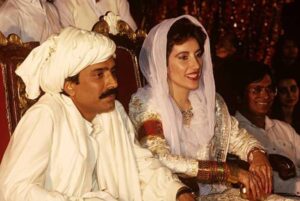
His own political journey began during the turbulent democratic decade of the 1990s. Zardari was elected to the National Assembly in 1990 and again in 1993. During Benazir Bhutto’s second government, he served as federal minister for environment and later as federal minister for investment. He was elected senator in 1997, but much of that period was also marked by legal cases, political pressure and imprisonment. These years shaped his image as both a controversial figure and a political survivor.
The turning point came after Benazir Bhutto’s assassination in Rawalpindi on December 27, 2007. The PPP was suddenly without its most powerful leader, and the country was facing shock, anger and uncertainty. Zardari stepped forward to guide the party through that crisis. Under his leadership, the PPP contested the 2008 general elections, emerged as a major force and formed the government. In September 2008, Zardari was elected president of Pakistan.
His first presidency, from 2008 to 2013, remains the most important chapter of his public record. The biggest achievement of that period was the 18th Constitutional Amendment, which reduced presidential powers, strengthened parliament and gave greater autonomy to the provinces. In a country where presidents had repeatedly used constitutional authority to dismiss elected governments, Zardari’s decision to transfer key powers back to parliament became a defining part of his democratic legacy.
Zardari’s strongest support base remains in Sindh, where the PPP continues to command loyalty, especially in rural areas. This vote bank is built on the Bhutto legacy, Sindhi identity, welfare politics, local party networks and the emotional attachment many voters still feel toward Zulfikar Ali Bhutto and Benazir Bhutto. Outside Sindh, however, the PPP’s position has weakened over the years. This decline remains one of the major questions surrounding Zardari’s leadership and the party’s national future.
Unlike many populist leaders, Zardari is not known for fiery public speeches or mass rallies. His strength lies in private negotiation, coalition-building and political timing. Supporters describe him as a calm strategist who understands how to keep rivals at the table and maintain space for democratic politics. Critics argue that his style relies too heavily on compromise, patronage and power management, often at the cost of deeper reform.
His career has also remained closely tied to controversy. Zardari faced several corruption and criminal allegations over the years and spent a long period in jail before becoming president. He and the PPP have consistently described the cases as politically motivated. He was not convicted in those cases, but the allegations played a major role in shaping his public image. For opponents, they remain central to criticism of his politics. For supporters, they are part of a wider history of political victimisation faced by PPP leaders.
In March 2024, Zardari returned to the presidency after winning the presidential election with support from the ruling coalition. His victory made him Pakistan’s 14th president and the first civilian to reach the office for a second, non-consecutive term. Although the presidency now carries fewer powers after the 18th Amendment, Zardari’s experience, party position and network of alliances give him influence beyond the formal limits of the office.
His second term comes at a difficult time for Pakistan. The country is dealing with economic pressure, political polarisation and deep public distrust in institutions. In this environment, Zardari’s ability to negotiate may prove useful, but it will also be tested. The challenge for him is not only to remain relevant, but to show whether old-style coalition politics can still offer stability in a deeply divided country.
Asif Ali Zardari’s story cannot be reduced to one label. He is seen by some as a democrat who helped restore parliamentary supremacy, and by others as a symbol of the compromises and controversies of Pakistan’s ruling elite. His supporters remember his resilience after Benazir Bhutto’s assassination and his role in constitutional reform. His critics point to allegations, governance failures and the PPP’s shrinking national footprint. Whether viewed as a survivor, power broker or controversial statesman, Zardari’s career reflects the complicated nature of power in Pakistan.
Also Read: Nawaz Sharif: Power, Setbacks And A Lasting Role In Pakistan Politics