
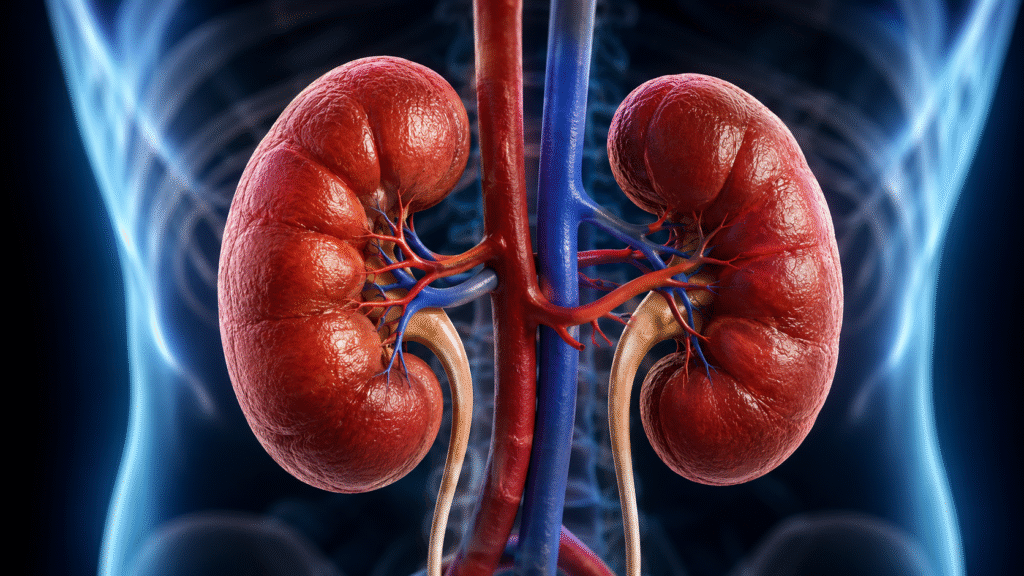
Kidneys play a vital role in filtering waste from the blood, removing excess fluid, and maintaining the body’s overall balance. Health experts say that recognizing the early signs of kidney disease can help prevent serious complications and reduce the risk of long-term kidney damage.
According to medical professionals, kidney disease often develops silently and may not cause noticeable symptoms in its early stages. However, as the condition progresses, several warning signs can appear. Identifying these symptoms early can lead to timely diagnosis and treatment, particularly for people living with diabetes or high blood pressure.
Changes in urination
Experts say one of the earliest signs of kidney problems is a change in urination patterns. Frequent urination, especially at night, foamy urine, blood in the urine, or difficulty urinating may indicate impaired kidney function.
Swelling in different parts of the body
When the kidneys are unable to remove excess fluid effectively, fluid can build up in the body. This may cause swelling in the feet, ankles, hands, face, or around the eyes.
Persistent fatigue and weakness
Reduced kidney function can lead to a buildup of waste products in the blood and may also contribute to anemia. As a result, people with kidney disease often experience ongoing fatigue, weakness, and low energy levels.
Itchy or dry skin
Health experts note that toxins accumulating in the bloodstream can affect the skin. Persistent itching, dryness, or skin irritation may be associated with underlying kidney problems.
Nausea and loss of appetite
As waste products build up in the body, the digestive system can be affected. Symptoms may include nausea, vomiting, reduced appetite, a feeling of fullness, and unpleasant breath odor.
Muscle cramps and pain
Kidney disease can disrupt the balance of important minerals such as potassium and calcium. This imbalance may lead to frequent muscle cramps, pain, or discomfort in the legs and other muscles.
Risk factors and prevention
According to health experts, diabetes and high blood pressure are among the leading causes of chronic kidney disease and kidney failure. High blood pressure can damage the blood vessels in the kidneys, while elevated blood sugar levels can gradually harm the kidneys’ filtering system.
Doctors advise people with diabetes or hypertension to undergo regular kidney function tests to detect potential problems at an early stage. Experts also recommend seeking medical advice if any of these symptoms persist or worsen over time.
Also Read :
Study suggests soy and legumes may help lower risk of high blood pressure