
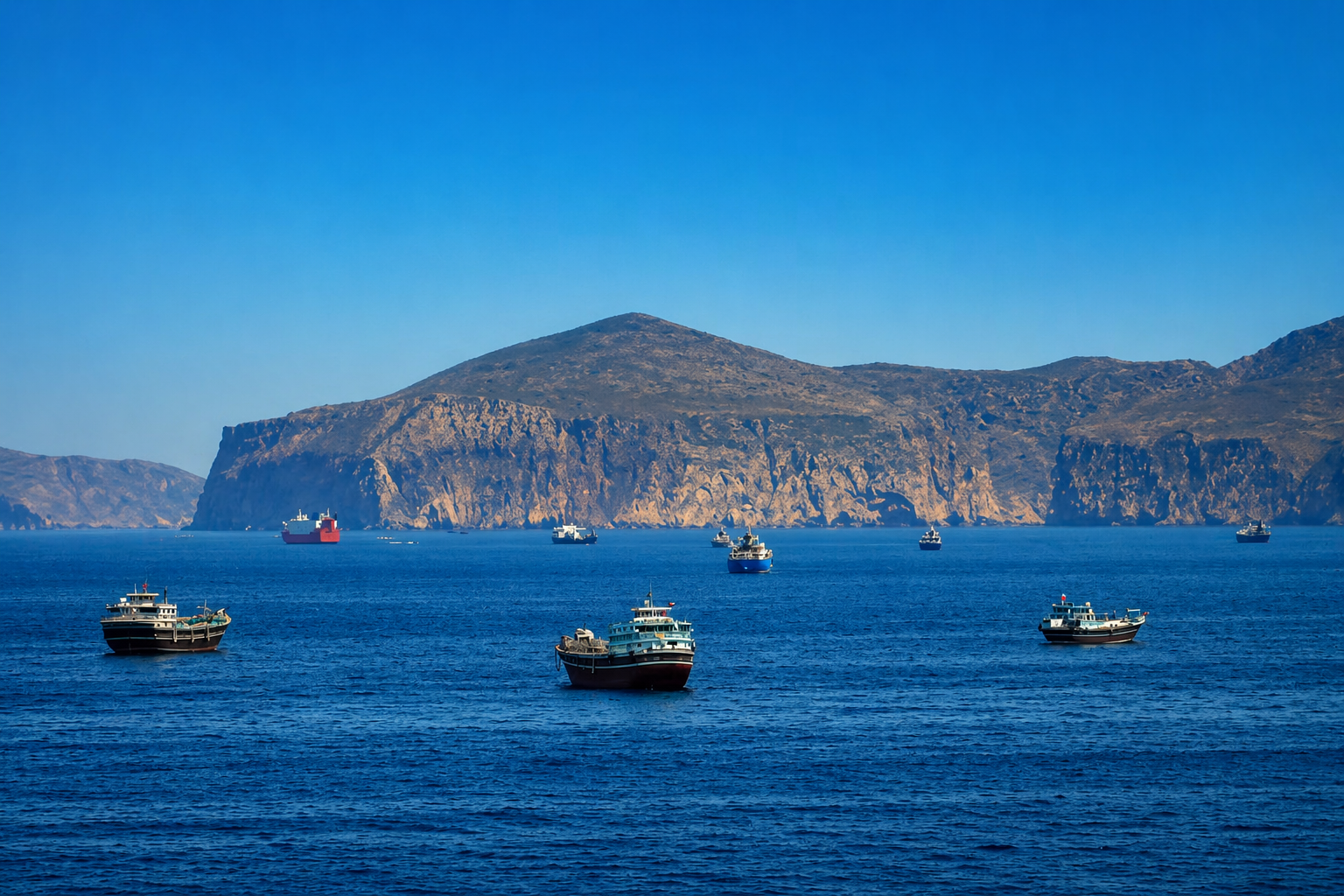
WASHINGTON, Aug 4: Diplomatic efforts to restore commercial shipping through the Strait of Hormuz have gained momentum, with Arab media reporting significant progress towards reopening the strategic waterway and an official announcement expected within hours or by Wednesday.
The development comes as US Treasury Secretary Scott Bessent said negotiations aimed at ensuring uninterrupted commercial navigation through the Strait of Hormuz could reach a final agreement by Tuesday or Wednesday. No formal agreement had been announced at the time of publication.
The Strait of Hormuz is one of the world’s busiest maritime trade routes, handling nearly one-fifth of global oil shipments. Any disruption to traffic through the narrow waterway has immediate implications for international energy markets, shipping costs and global supply chains.
Talks Aim to Restore Freedom of Navigation
Speaking in an interview with US media, Bessent said discussions between the United States and Iran were focused on restoring unrestricted commercial shipping and returning maritime activity in the Gulf to normal.
Asked whether Iran would be allowed to collect transit fees from vessels passing through the strait, the US treasury secretary said the proposed arrangement would guarantee complete freedom of navigation for commercial ships, without introducing any toll system.
Arab media reported that preparations for the full reopening of the waterway were underway following positive diplomatic contacts, although officials have yet to announce a final agreement.
Global Trade Could Benefit from Reopening
A successful agreement would allow hundreds of commercial vessels delayed in and around the Gulf to resume operations.
Market analysts say the reopening could restore the smooth flow of crude oil, refined petroleum products, liquefied natural gas (LNG), fertilisers and industrial gases, easing pressure on global energy markets and reducing freight costs that surged during recent disruptions.
The latest developments follow days of intensive diplomatic engagement aimed at reducing regional tensions and restoring confidence in one of the world’s most strategically important shipping lanes.
What It Means for Pakistan
For Pakistan, a reopening of the Strait of Hormuz could provide timely economic relief. The country imports a significant portion of its crude oil, petroleum products and LNG through Gulf shipping routes, making uninterrupted maritime traffic essential for energy security.
A return to normal shipping conditions could help ease import costs, reduce pressure on fuel prices, stabilise industrial supply chains and support sectors dependent on imported energy and raw materials. Lower freight and insurance costs could also benefit Pakistan’s external trade and help reduce inflationary pressures if global energy prices continue to soften.
Also Read: Iran Denies US Talks, Says Oman Contacts Continue as Trump Seeks Deal