
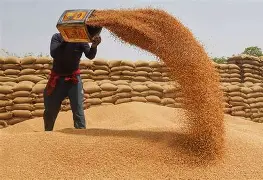
ISLAMABAD, Apr 21 (ABC)The Punjab government has launched a fully digital wheat procurement system as the 2026 harvest season begins, aiming to stabilise prices, improve payment transparency, and simplify how farmers sell their crop.
What is the new system?
The initiative replaces much of the digital wheat manual procurement process with a digital framework. Farmers must register through the Bardana App, developed by the Punjab Information Technology Board, to receive subsidised gunny bags (bardana) used for storing and delivering wheat.
The system is designed to manage procurement operations at 233 centres across the province. Officials say it reduces delays, digital wheat limits discretionary decision-making, and standardises how wheat is purchased by the government.
Why does it matter?
digital wheat is a staple crop in Pakistan, and procurement policies directly influence food prices and farmer incomes. The government has set a target price of Rs3,500 per 40kg to help stabilise the market during the harvest period.
By digitising the process, authorities aim to:
- Ensure faster and traceable payments
- Reduce the role of intermediaries
- Improve transparency in subsidy distribution
A Rs6 billion subsidy for bardana is being distributed through digital channels, which officials say will help prevent leakages and misuse.
Who is affected?
The digital wheat policy primarily targets small farmers, who make up more than 90% of Punjab’s agricultural sector. Eligibility is capped at 12 acres per farmer, with a procurement limit of 25 maunds per acre.
Payments for wheat sold under the programme are transferred directly into farmers’ bank accounts, a shift intended to reduce dependence on middlemen and informal transactions.
What has changed from previous years?
Earlier procurement digital wheat systems often relied on manual verification and in-person processes, which could lead to delays and inconsistent access to resources like gunny bags.
The new approach introduces:
- Mandatory digital registration
- Automated allocation of bardana
- Direct bank transfers for payments
- Centralised monitoring of procurement activity
Officials describe it as a structural shift toward a more technology-driven system.
What about market activity?
The government says the digital wheat policy does not restrict private trade. Flour mills, poultry farms, and feed manufacturers can continue buying wheat from the open market.
In addition to direct procurement, the government plans to purchase up to 3 million metric tons of wheat through aggregators. This is intended to help set a benchmark for market prices and guide private transactions.
What happens next?
Punjab expects total digital wheat production to exceed 22.5 million metric tons this season, despite recent weather disruptions such as rain and hailstorms.
As procurement continues, digital wheat the effectiveness of the digital system will depend on farmer participation, system r